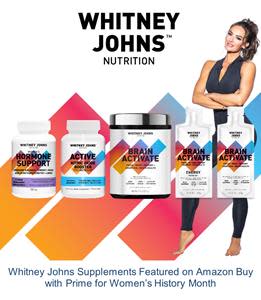
Whitney Johns Supplements Featured on Amazon Buy with Prime for Women’s History Month
LAS VEGAS, March 20, 2023 (GLOBE NEWSWIRE) — Healthy Extracts Inc. (OTCQB: HYEX), a leading developer and distributor of plant-based nutraceutical products for heart and brain health, announced that its Whitney Johns line of natural health and fitness supplements are being featured on Amazon Buy with Prime today through March 26th in celebration of Women’s History Month.
For its Buy with Prime program, Amazon selected some of the nation’s top businesswomen who are making history. The selection of Whitney Johns reflects her entrepreneurial spirit and dedication to innovation: she is a sought after thought leader in fitness, a welterweight division boxer, and has launched one of the country’s most premier nutritional product lines for superior health and optimal fitness.
“I’m greatly honored to have my products featured on Amazon’s Buy with Prime as part of Woman’s History Month,” stated Whitney Johns. “Healthy Extracts has worked tirelessly to help me create five amazing formulations for women and men designed to support brain, hormone, performance, and heart health.”
According to Healthy Extracts President Duke Pitts: “Amazon’s Buy with Prime provides additional exposure for Whitney’s line of supplements, and makes subscribing to them more convenient than ever. We see this event continuing to help Whitney build one of the most exciting, supplemental brands we’ve ever introduced.”
The Whitney Johns pre-health lineup includes:
WHITNEY JOHNS ACTIVE™: Based on Healthy Extracts’ exclusive, clinically proven all-natural BPF Gold Citrus Bergamot SuperFruit™ formulation, which has been clinically shown to increase Nitric Oxide by up to 73{35112b74ca1a6bc4decb6697edde3f9edcc1b44915f2ccb9995df8df6b4364bc} and VO2 max by 24{35112b74ca1a6bc4decb6697edde3f9edcc1b44915f2ccb9995df8df6b4364bc}.
WHITNEY JOHNS HORMONE™: Specially formulated to support hormone balance, boost energy levels, improve mood, desire and aid in fat metabolization. Also clinically shown to reduce hot flashes and other menopause symptoms.
WHITNEY JOHNS BRAIN ACTIVATE™: Available in powder and gel formats, is specially formulated to support focus, memory, cognition, mood and brain health. Shown to reduce brain fog, support natural sleep patterns, and clinically proven to generate strong and sustained ketone levels in the brain. BRAIN ACTIVATE – ENERGY GEL™ adds caffeine for additional energy support.
WHITNEY JOHNS CITRUS BERGAMOT™: Features a proprietary blend of ingredients, including Citrus Bergamot Polyphenols, which has been designed to help maintain optimal female cardiovascular health, and address cardiovascular disease as the leading cause of death for women in the U.S.
About Whitney Johns An accomplished entrepreneur, fitness athlete, model, personal trainer, and nutrition advocate, Whitney Johns has attracted more than a million followers across Instagram, Facebook, TikTok, Twitter, and YouTube.
Whitney also serves as president of Whitney Johns Nutrition, which has launched a complete line of natural health and fitness supplements for people from all walks of life and designed to help them become healthier, fitter and more confident. The brand’s line of exclusive formulations include BRAIN ACTIVATE™ (in power and gel format), ACTIVE™ for enhanced physical performance, and WOMEN’S HORMONE SUPPORT™.
The Whitney Johns Nutrition product line represents the first series of private label and custom formulations developed and launched through Healthy Extracts’ unique brand influencer program. To learn more, visit whitneyjohns.com/nutrition, or for more about Whitney, visit @whitneyjohns’ Linktree here.
Healthy Extracts is the only authorized company in the U.S. and Canada to distribute and manufacture Citrus Bergamot SuperFruit with 47{35112b74ca1a6bc4decb6697edde3f9edcc1b44915f2ccb9995df8df6b4364bc} BPF Gold (bergamot-derived polyphenolic fraction) potency. This compares to the closest competitor at only 38{35112b74ca1a6bc4decb6697edde3f9edcc1b44915f2ccb9995df8df6b4364bc} BPF.
Healthy Extracts’ Citrus Bergamot SuperFruit formulations include CLINICAL IMMUNE™, HER HEART™, CHOLESTEROL COMMAND™, PRO+™, SPORTS HEART™ and MEGA+O™. All are vegan friendly, non-GMO, gluten-free, fully organic and made and tested in certified U.S. facilities.
Backed by published research, citrus bergamot has been shown to improve heart health, support immune response, and address metabolic syndrome. Citrus Bergamot nutritional supplement has been formulated to regulate and maintain normal, healthy cholesterol levels, and support optimal stable blood pressure.
Healthy Extracts’ Citrus Bergamot SuperFruit formulations contain the only citrus bergamot extracts approved by the prestigious Academia Del Bergamotto in Reggio Calabria, Italy.
To learn more about and Healthy Extracts’ Citrus Bergamot and other products, go to bergametna.com and tryubn.com.
About Healthy Extracts “Live Life Young Again” Healthy Extracts Inc. is a platform for acquiring, developing, researching, patenting, marketing, and distributing, plant-based proprietary products in select high-growth categories within the multibillion-dollar nutraceuticals market.
The company’s subsidiaries, BergametNA™ and Ultimate Brain Nutrients™ (UBN), offer nutraceutical natural heart and brain health supplements. This includes the only heart health supplement distributed in North America containing Citrus Bergamot SuperFruit™. This superfruit is known to have the highest quality and concentration of polyphenols and flavonoids, and with healthy heart benefits backed by multiple published studies.
UBN KETONOMICS® proprietary formulations have been shown to support brain health, including memory, cognition, focus and neuro-energy. UBN is pursuing intellectual property license opportunities for monetizing its IP portfolio of multiple issued and pending patents.
All statements other than statements of historical facts included in this press release are “forward-looking statements” (as defined in the Private Securities Litigation Reform Act of 1995). Such forward-looking statements include our expectations and those statements that use forward-looking words such as “projected,” “expect,” “possibility” and “anticipate.” The achievement or success of the matters covered by such forward-looking statements involve significant risks, uncertainties and assumptions. Actual results could differ materially from current projections or implied results. Investors should read the risk factors set forth in the Company’s Annual Report on Form 10-K filed with the SEC on April 1, 2022, and future periodic reports filed with the SEC. All of the Company’s forward-looking statements are expressly qualified by all such risk factors and other cautionary statements.
The Company cautions that statements and assumptions made in this news release constitute forward-looking statements and make no guarantee of future performance. Forward-looking statements are based on estimates and opinions of management at the time statements are made. The information set forth herein speaks only as of the date hereof. The Company and its management undertake no obligation to revise these statements following the date of this news release.
Food and Drug Administration Disclosure
The product and formulation featured in this release is not for use by or sale to persons under the age of 12. This product should be used only as directed on the label. Consult with a physician before use if you have a serious medical condition or use prescription medications. A doctor’s advice should be sought before using this and any supplemental dietary product. These statements have not been evaluated by the FDA. This product is not intended to diagnose, treat, cure or prevent any disease.
BergametNA™, Ultimate Brain Nutrients™, UBN™, Citrus Bergamot SuperFruit™ and F4T® are registered trademarks of Healthy Extracts Inc.™
Healthy Extracts Company Contact Duke Pitts, President Healthy Extracts Inc. Tel (720) 463-1004 Email contact
Investor Contact Ronald Both CMA Investor Relations Tel (949) 432-7566 Email contact
Media Contact: Tim Randall CMA Tel (949) 432-7572 Email Contact
Each period poses unique worries for individuals with diabetes for whom managing blood sugar ranges is really vital in purchase to direct a complication-totally free lifestyle. Whilst sedentary routines are more prevalent in winter season period which could engage in a havoc with diabetes administration, in summertime diabetics are inclined to warmth exhaustion and warmth stroke, as the illness could injury blood vessels and nerves which can in convert have an effect on sweat glands. Folks who have diabetic issues may well also shed water from their bodies far more immediately as significant sugar ranges make one particular urinate extra. This will make them more prone to dehydration. The system also makes use of insulin otherwise in summertime and form 1 diabetes individuals may possibly have to have to keep track of their blood sugar amounts additional commonly to establish the accurate insulin dose desired. (Also read: Diabetes: Diet system, dos and don’ts for diabetics to stop sugar spikes)
Remaining energetic and averting heat is the essential to deal with diabetic issues in summer time period(Freepik)
There are two important kinds of diabetes – variety 1 and sort 2. In style 1 diabetes, the pancreas does not make insulin, due to the fact the body’s immune program assaults the islet cells in the pancreas that make insulin. In variety 2 diabetes, the pancreas can make much less insulin than it made use of to before, and your entire body results in being resistant to insulin.
“Diabetes is a popular metabolic discovery that exasperates tens of millions throughout the planet. Diabetes is defined as a problem with the rise in blood sugar amount. Healthy eating plan means a healthier lifestyle. Individuals with diabetes may come to feel hungry or thirsty frequently, thus they need to choose proper treatment of what they really should consume, says Dietician Harpreet, Founder of Preet Health Course.
Here are 5 lifestyle alterations you will have to make forward of the hotter months to regulate diabetes proficiently, as recommended by Harpreet.
1. Stay bodily active
Remaining energetic and keeping away from warmth is the key to regulate diabetes in summer time season. 1 can test 30-minutes stroll in early morning and late night and keep away from stepping out afterwards in the morning or around 4-5 pm. The very best timing to wander is 1-3 several hours just after feeding on in purchase to finest control your blood sugar degrees.
2. Eat fibre-wealthy food items
A higher-fibre food plan might have sizeable rewards for men and women with diabetes. Foods which are significant on fibre slows down digestion and stop blood sugar spikes. These kinds of meals also help in fat reduction which can support you take care of diabetes superior and at the exact same time prevent blood pressure, heart illness and some types of most cancers. Fibre-abundant food items contain whole grains such as oats, brown rice, whole grain bread and cereals, fruits, seeds, nuts, veggies like zucchini, carrot, tomato between other people.
3. Stay away from sweet juices
Summertime is the period when people gravitate toward clean juices, smoothies and other refreshing beverages. But for individuals with diabetic issues, it is significant to comprehend that juice not remaining rich in fibre and high in normal sugar material can elevate glucose degrees extremely promptly. If you sense like ingesting fruit juice in summer, make certain to have it in moderation and make them at dwelling with new fruits.
4. Keep hydrated
Superior blood sugar concentrations pressure your kidneys to go into overdrive to get rid of more sugar. The kidneys have to have to make additional urine to assistance get rid of more sugar from the body. Ingesting water can assistance to reduce your blood sugar (glucose) levels. Consequently, make positive to have plenty of h2o and hydrating meals all through summer time.
5. Keep track of your blood sugar concentrations
Regular blood sugar checking is the most crucial matter you can do to control style 1 diabetic issues and kind 2 diabetes. You will be able to see what makes your amount go up or down, these kinds of as feeding on unique meals, using your medicine or remaining bodily energetic.
Port Medical Administration has done beta-testing on a new cellular app designed to make it possible for maritime crewmen to administer their own COVID-19 assessments, from any spot, and get quick tracked success pursuing confirmation by a Port Health-related Administration group member. The Port Clinical Administration SeaScan application, formulated by cell app specialists DOM&TOM (www.DomandTom.com), was commissioned by Port Health care founder and CEO Dean Crassas, influenced by his conversations with ship owners, agents, and P&I Golf equipment.


“Our sector is generally intrigued in ‘better, a lot quicker, and a lot less costly,’” notes Crassas, “and Port Health care Management’s SeaScan app delivers on all counts.”


In 2020, with the onset of the COVID-19 pandemic, the transport sector confronted an unprecedented obstacle as most nations around the world and airways commenced implementing required COVID-19 testing for all tourists. Ship house owners and agents promptly learned the logistical troubles of testing on-signing and off-signing crewmembers, and the will need for expediting check benefits to permit for well timed crew modifications.


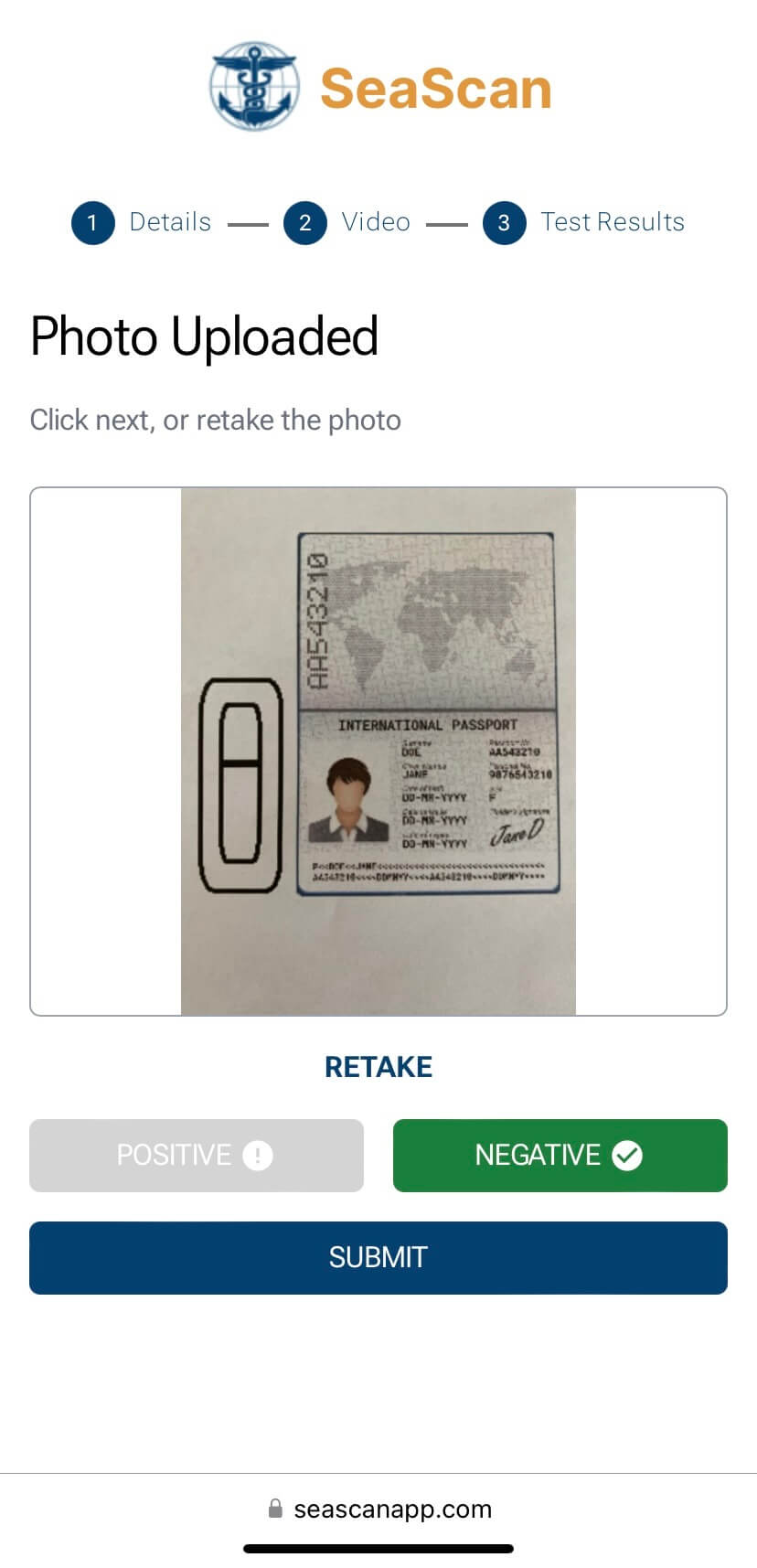
Screenshot from the SeaScan app’s interface


With the initially wave of pandemic-connected cases, Port Clinical Management’s functions workforce took actions to be certain that the corporation was uniquely positioned to provide Quick PCR and Antigen tests in all US ports. In shorter buy, Port Clinical Administration became an field chief in addressing this problem for owners and brokers in the most efficient and value-productive fashion.


“We’re looking at a lot less stringent specifications for screening of late,” observes Crassas, “but the genuine possibility of traveling crew members boarding vessels though unknowingly contaminated with COVID-19 stays a authentic issue for ship owners. They nevertheless want and require this safety of testing, but there is developing resistance to the higher prices involved with laboratory testing.”


Port Medical’s pursuit of a way to benefit from the much considerably less costly, self-administered Antigen COVID-19 checks, in a method that would allow these results to be tracked and verified, prompted his overture to DOM&TOM, who have delivered electronic options service to many Fortune 500 businesses. The alternative they made is Port Medical’s new SeaScan app. This cellular application will allow crew users to take a look at on their own and consists of a 3-move verification procedure, with photograph affirmation and third-get together corroboration of effects by Port Clinical Management. This substantially reduces the expense for ship owners, and nonetheless gives an productive implies of guarding the crew associates and other individuals from spreading COVID-19 on vessels.


For a lot more info on employing this new, cost and time conserving technological innovation, stop by Port Clinical Management at www.portmedical.internet or call at 713-526-PORT (7678).

The thoughts expressed herein are the author’s and not essentially individuals of The Maritime Government.
Projected on the massive screen behind me onstage, a herd of giraffes rushes across a sweep of savanna. With the video set to loop, the giraffes gallop endlessly, giving me time to slowly lean across the podium and ask my audience: “Did you spot the pregnant giraffes?” I am delivering a plenary lecture at the 2019 Nobel Conference in Stockholm. The theme of that year’s conference was bioinspired medicine—finding solutions in nature to human health problems—and I wanted to call attention to the connections between women and other female animals.
As a cardiologist and evolutionary biologist, I’d been posing this question about the giraffes to medical students in my courses at Harvard University and the University of California, Los Angeles, for years, so I could tell it had landed as planned. I watched the crowd scan the troop of giraffes for evidence of pregnancy—a baby bump, a lagging mother-to-be. I suspected that few, if any, of the assembled scientists and physicians had considered this question when first taking in the scene. That was precisely my point. Given the importance of female health challenges such as pregnancy to the survival of a species—including our own—shouldn’t the realities of female life in the wild be more than an afterthought for doctors and biomedical researchers?
Predators pose a daily threat to survival for all prey species, and they don’t give pregnant animals a pass. Even in their final, heaviest days of pregnancy, females must evade predators. To do so, they have evolved impressive physiological adaptations.
Consider a giraffe in the last weeks of her nearly 15-month gestation. She has gained hundreds of pounds—her fetus alone weighs up to 150 pounds, but the load is much heavier when you add in the placenta, extra fluid and fat. Yet pregnant giraffes appear to flee as fast as nonpregnant individuals. If they couldn’t, predators would quickly target them as easy prey. That would be the end of the line for that mother, her gestating calf and ultimately the species itself.
As I publicly expressed admiration for the giraffe’s gestational athleticism, I privately cringed a bit recalling how unathletic—how un-giraffe-like—I had felt as a cardiologist in the final weeks of my own pregnancies. I was the slowest doctor in the herd of physicians responding to code blue alerts for medical emergencies at the hospital. I’d become so breathless and exhausted rushing up just two flights of stairs that once, on my way to a cardiac arrest, another physician pulled me aside to express concern for my cardiac health.
I understood why they were worried. Late in pregnancy, women are at risk of developing life-threatening diseases such as preeclampsia and heart failure. Even a healthy pregnancy places significant stress on the heart. The volume of blood that is circulating expands nearly 50 percent. To deal with this increased workload, the cardiac cells and pumping chambers of the heart must grow and transform in size and shape. Cardiologists use the term “remodeling” to describe these changes, but when things go wrong, the consequences are far more serious than a misplaced sofa throwing off the feng shui. Problems with how the heart cells get remodeled during pregnancy are linked to reduced cardiac function and even heart failure soon after delivery.
Fortunately, my cardiac health turned out to be fine: the source of my shortness of breath and fatigue was the nearly 40 pounds of fetus, fluid and fat I’d packed on by the end of the third trimester. Slowing down in the last weeks of pregnancy is perfectly normal for humans—including female cardiologists who can use the elevator instead of sprinting up the stairs.
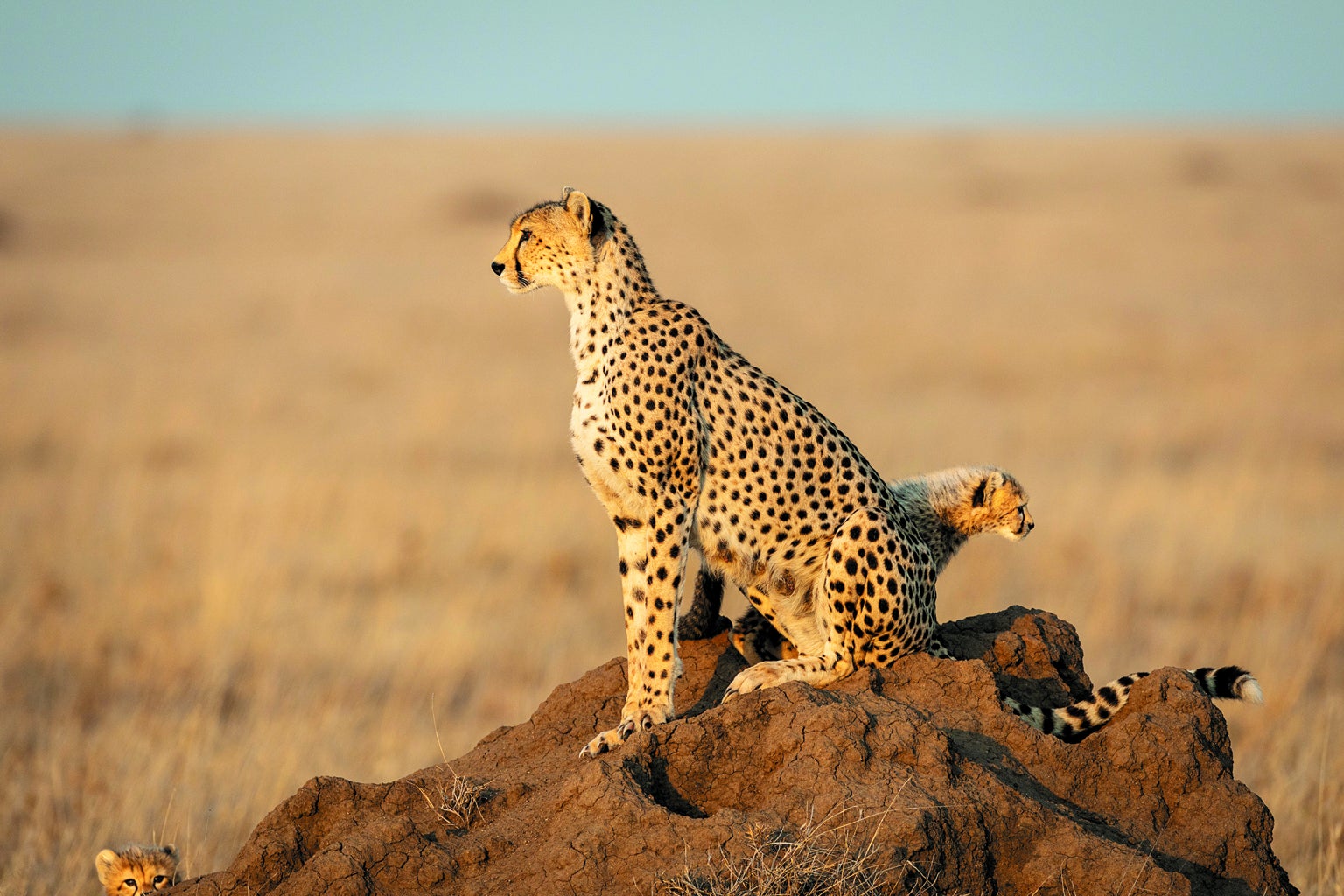
But in the wild, pregnant animals must maintain their speed and stamina to save their lives. For pregnant gazelles, zebras, and other prey species, the ability to flee swiftly protects them from predation. The animals giving chase are often also female and sometimes also pregnant. To avoid starvation, pregnant cheetahs, hyenas, and other predators need to pursue, overtake and capture fleeing prey. A species in which pregnant females can’t evade predators or capture food is doomed to extinction.
I’ve become fascinated by how females of other species have adapted to these challenges. I now study their biology to find possible solutions to women’s health issues ranging from heart failure to breast cancer. This field of research is still emerging, but already it is generating insights that could lead to lifesaving treatments for some of the most prevalent human health concerns.
Cheetahs and other predators need to be able to chase down prey during pregnancy. Credit: StuPorts/Getty Images
Missing Females
A multispecies approach never would have occurred to me as a young professor of medicine in the 1990s. For the first 10 years of my career, I treated many forms of heart disease but always in one species—my own. Then, in 2005, I became a cardiovascular consultant to the Los Angeles Zoo. (Zoo veterinarians occasionally invite physicians to weigh in on diagnoses or assist in medical procedures, especially when the conditions are far more common in humans than in nonhuman animals.) My patient roster expanded to include great apes, bears, lions and raptors, among others. Animal health hadn’t been included in my formal medical education, so the learning curve was steep. The zoo’s veterinarians and the animals themselves became my teachers as I learned that most of the diseases affecting my human patients—cardiovascular disease and cancer among them—can also develop in other species.
Over the years I grew increasingly convinced that species-spanning medicine could reveal insights for my patients that traditional human-centered approaches had not. Partnering with naturalist and science writer Kathryn Bowers, I made it my mission to raise awareness about the relevance of animal health to that of humans, launching educational and professional programs, leading research teams and writing books meant to bring the fields of human medicine, veterinary science and evolutionary biology closer together. The reception to these efforts was mostly positive, but I received a surprising degree of pushback from my own field of medicine. Some physicians seemed resistant to connecting the health of their patients and other species (beyond the transmission of certain diseases from animals to humans). Maybe they took issue with the humbling notion that veterinarians could teach them about their human patients.
Human exceptionalism, I could see, was deeply entrenched in our medical traditions. People haven’t always been comfortable accepting that humans are animals. It has been my experience that human health professionals reflexively assume diseases they treat in their patients are unique to our species. (They aren’t.)
Anthropocentrism wasn’t the only distorted worldview slowing down the progress of medical science. Biomedical research has also long focused on males to the exclusion of females. Until 1993 the National Institutes of Health didn’t require the clinical trials they funded to include women—not even studies of diseases known to be more common in women than men. Mind-bogglingly, it wasn’t until 2015 that the NIH mandated the inclusion of female laboratory animals in preclinical safety studies of new medical treatments. There were rationales for not including females in biomedical studies: researchers wanted to avoid the potentially confounding effects of the estrus cycle, which can introduce variations in physiology and behavior not seen in males, and they wanted to protect potentially pregnant women, and fetuses, from thalidomide-type tragedies. Yet however well intended these investigators might have been, excluding females from studies proved enormously damaging to women’s health.
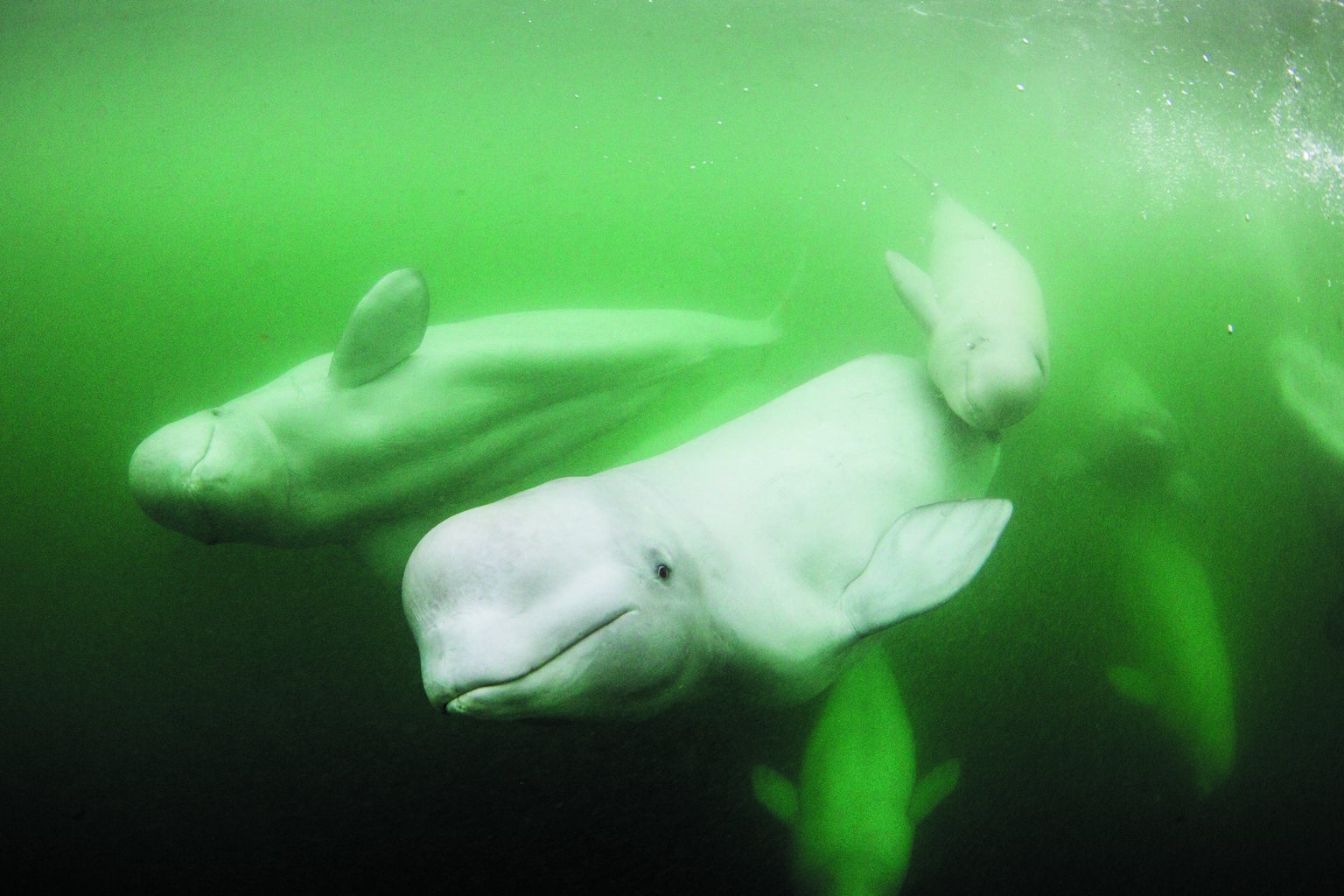
A cluster of breast cancer cases in beluga whales near Montreal brought attention to a threat to human health. Credit: Paul Souders/Getty Images
To address the gaps in our medical knowledge, I began to focus my species-spanning research on major challenges in women’s health. The health connections between human and nonhuman females weren’t hard to find. I’ve published studies on ovarian cancer in flamingoes, pythons, fish and humans; hosted symposia on menstrual difficulties in great apes (including us), bats and tree shrews; and collaborated with dairy veterinarians who have deep knowledge of lactation in cows to help women with common breastfeeding problems. These experiences have transformed my understanding not only of my patients but of myself as a female. I’ve learned when it comes to certain aspects of my health, I may have more in common with other female animals than with my husband, brother, son or the other men in my life. I call the shared bond that links human and animal females the “sisterhood of species.”
Lions Get Breast Cancer
I first glimpsed the connection among female animals while examining Cookie, a geriatric lioness, at the Los Angeles Zoo in 2012.* After an operation, a lion’s heartbeats sound pretty much the same as those of a human who has been through the same procedure. So the clarity of the lub-dup, lub-dups streaming through the stethoscope I had pressed against Cookie’s huge, furry chest reassured me. It meant the dangerous buildup of fluid we had removed from the sac around her heart hadn’t returned. The pathology report on the cause of the fluid buildup wasn’t back yet, however, and the veterinarians were worried that it might be metastatic breast cancer. There were two reasons for this specific concern. First, breast cancer is one of the tumors that sometimes spreads to the heart, creating inflammation and the kind of fluid buildup that had threatened Cookie’s life. The other reason, the veterinarians explained, was that compared with other zoo animals, lions, jaguars, cheetahs, and other cats are especially susceptible to breast cancer.
This connection between human and animal health was personal. Breast cancer is a health concern for many women, and I was no exception. Around the time I first learned about breast cancer in cats, I was being tested for the BRCA mutations following several borderline breast biopsies. The BRCA mutations are well known to put women at increased risk of breast and ovarian cancers. To my amazement, I learned that BRCA mutations also put some dog breeds, including Cavalier King Charles Spaniels, and certain other carnivores at increased risk. In all my years caring for women, as well as some men, with breast cancer, I hadn’t considered what other species might also be vulnerable. In fact, as I showed in a recently published study, breast cancer is a threat across nearly all mammalian lineages, with cases found in creatures ranging from kangaroos and koalas to wombats and water buffalos.
Ultimately Cookie and I were both lucky. Cookie’s fluid buildup turned out not to be cancerous, and she went on to live another four years. I tested negative for BRCA mutations, and my biopsies did not show breast cancer. Other creatures have not fared so well. But we have learned from their misfortune.
Whales don’t usually develop breast cancer—leukemia and lymphoma are the more common cetacean cancers. So when researchers found that 27 percent of the dead belugas they examined in and around the St. Lawrence Estuary near Montreal between 1983 and 1999 had died of breast cancer, their discovery raised questions.
Looking for causes, investigators quickly locked on to several aluminum smelting factories near the estuary that were spewing chemicals known to induce breast and other cancers. The scientists determined that these chemicals probably contributed to the disease not only in the whales but also in humans who lived in the area and exhibited abnormally high cancer rates themselves. Recognizing the breast cancer “epidemic” in mammals living in this urban waterway helped to alert authorities to an environmental hazard that was also threatening human health.
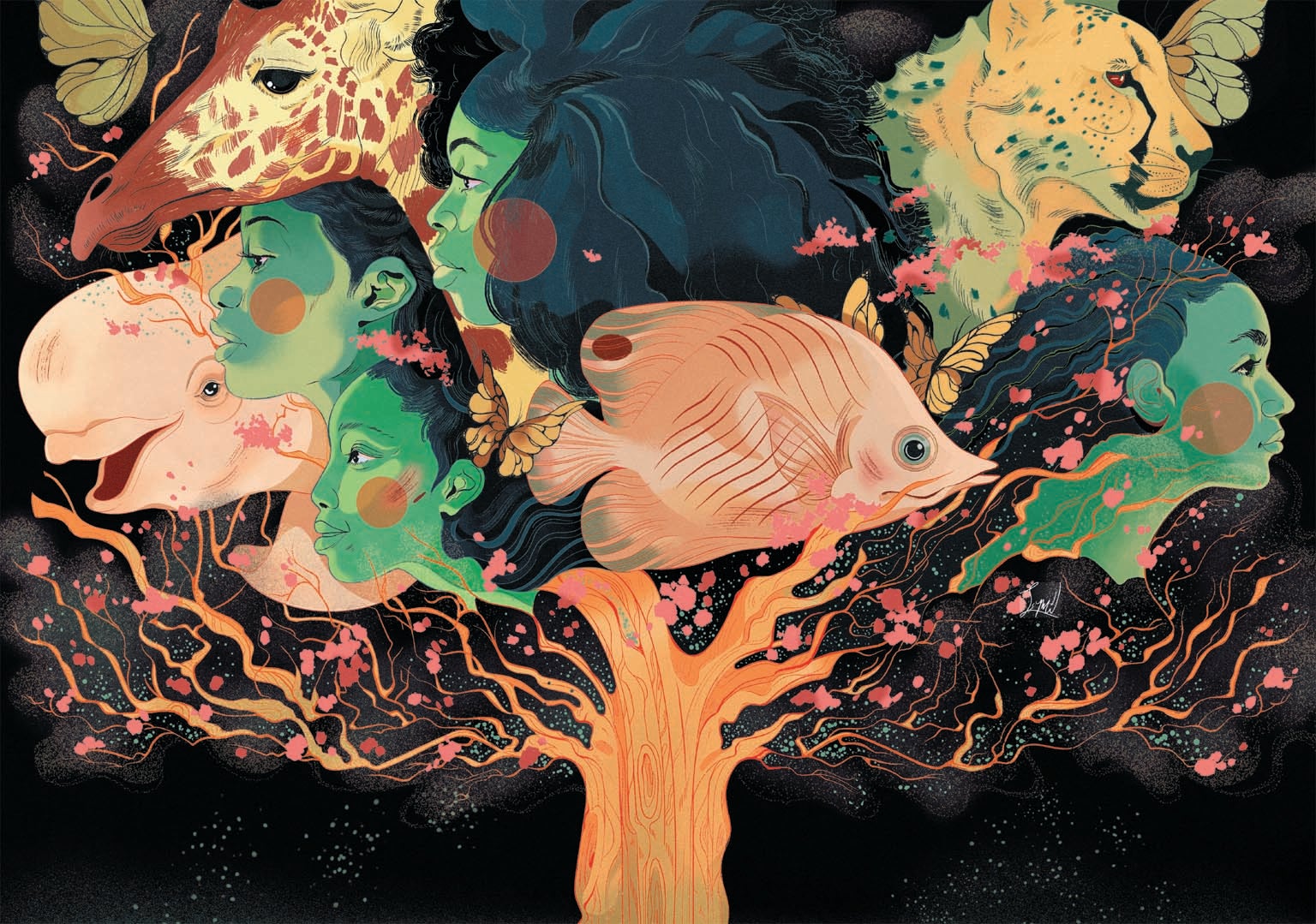
Credit: Dino Pulerà
Like the canaries that British coal miners brought with them to detect the presence of hazardous gases in the mines, the female belugas signaled that contaminants were putting humans at risk. Today rising levels of pollution are implicated in many challenges to women’s health, including cancers, infertility, premature labor, and other disorders of the female reproductive system. Nonhuman female animals living around human communities are increasingly exposed to the same pollutants as women and girls, as the lines that once separated human and animal environments become blurred. Simply stated, the health of female animals is too important to our own to ignore. All female animals—including women and girls—are now canaries for one another. Our coal mine is the planet we share.
Giraffes Avoid Heart Failure
The connection among female animals extends beyond shared vulnerabilities. Some members of the sisterhood have evolved unique physiologies to defend against disease. The remarkable biology of some female animals prevents them from falling prey to diseases that claim millions of women’s lives every year. To understand how and why such unique biology evolved and how it could save women’s lives, consider my new take on the evolution of the giraffe and its improbably long neck.
Rewind to 11.5 million years ago, when the common ancestors of the modern giraffe and its closest evolutionary cousin, the okapi, roamed what is now Africa. Some of those ancestors wandered toward the rain forest and present-day Congo and eventually gave rise to the okapi. Other ancestors migrated toward the savanna and gave rise to the giraffe. Those differing environments helped to produce very different necks in these two lineages. In the rain forest, okapis were able to survive and thrive with perfectly fine albeit unspectacular necks. The ancestral giraffe’s environments, in contrast, lacked dense foliage for hiding. A longer neck would have permitted horizon scanning and earlier detection of predators in an open grassland setting. At the same time, getting taller may have given proto-giraffes better access to sometimes limited foliage.
A downside to having a neck that places the head more than 2.5 meters away from the heart is that this all-important muscle must work harder with each beat to push blood vertically to the brain. This greater pressure on the heart is what we call blood pressure, and in a healthy giraffe, systolic blood pressure (the pressure when the heart is contracting) can exceed 250 millimeters of mercury (mm HG), compared with 120 mm HG or less for a healthy human.
Generally the problem with high blood pressure is that when a muscle like the heart works harder, it thickens. In humans and mice, when hearts thicken this way, they develop scarlike tissue, known as fibrosis. Hearts become stiffer than normal, limiting how far or fast an individual can move. To make matters worse, high blood pressure, also known as hypertension, can damage and weaken the heart over time. In humans, it results in a condition called HFpEF (for heart failure with preserved ejection fraction, pronounced “hef-pef”), which leads to exhaustion, shortness of breath and, potentially, death. HFpEF is the leading cause of heart failure in women, responsible for tens of thousands of deaths a year in the U.S. alone.
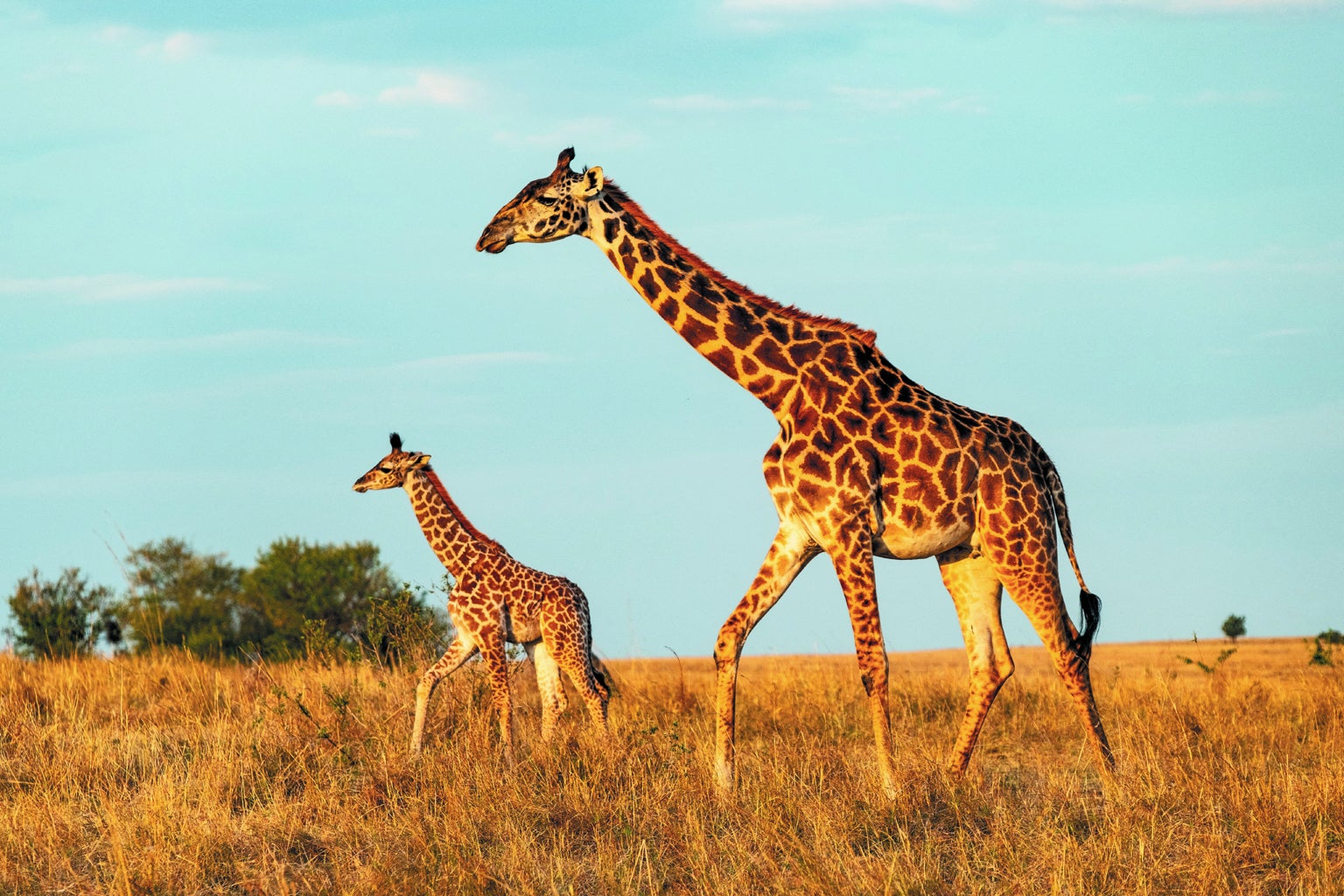
On the wide-open savanna, such stiffening could slow an animal down, threatening its survival. Hello, lion; goodbye, giraffe. But giraffes have found a workaround. Despite having blood pressure well above the levels that would earn human patients a stern talking-to from their doctor, both male and female giraffes can gallop at lion-evading speeds, and they appear to be resistant to HFpEF. Recent genomic research hints at how giraffes are able to flout the rules that constrain shorter animals.
The giraffe’s unique biology shields it from the damaging effects of high blood pressure and could inspire treatments for heart disease in women. Credit: Michel and Christine Denis-Huot/Biosphoto/Minden Pictures
In the past few years Chang Liu and his colleagues at Northwestern Polytechnical University in Xi’an, China, have published high-quality genomes of giraffe, okapi and other related animals. They discovered several mutations in the giraffe genome that are not found in the other species. One of the affected genes, FGFRL1, is linked to high blood pressure, which can lead to heart failure in humans. Could giraffe FGFRL1 explain the longer-necked species’ resistance to diseases associated with increased blood pressure?
To find out, the scientists tested two groups of mice to see how each would respond to an infusion of a hormone that causes blood pressure to rise. The first group of mice were “wild type,” meaning that all their genes, including FGFRL1, were mouse genes. The second group had their FGFRL1 sequence edited with CRISPR technology to mimic a giraffe’s. After 28 days of exposure to the blood pressure–raising chemical, the wild-type mice had high levels of fibrosis, a common finding in humans with heart failure caused by hypertension. The hearts of the mice with giraffe FGFRL1, in contrast, appeared nearly fibrosis-free. This finding suggests that giraffes may have evolved a unique ability to suppress some of the damaging fibrosis of the heart.
Giraffes also appear to have evolved mechanisms to shield against other damaging effects of hypertension, including when it occurs during pregnancy. In humans, gestational hypertension—having high blood pressure during pregnancy—is pathological. A leading cause of fetal and maternal mortality, it occurs in up to 25 percent of pregnancies worldwide and is on the rise. For pregnant giraffes, in contrast, higher blood pressure is normal, and neither mothers nor babies seem to suffer any consequences from it. I’ve brought together a team of veterinarians, pathologists and OB-GYNs to uncover the unique biology that protects giraffes from gestational hypertension. We are comparing the placentas of giraffe and okapi, looking for clues to the evolution of this trait.
It will take time to figure out how to use the knowledge we obtain from such studies of female animals to prevent diseases in women. The principle is clear, though: many of the greatest threats to women’s health may have already been neutralized in other species. The fixes are out there, in the bodies of the animals with whom we share our planet. As ingenious as we humans may be, the natural world is even smarter. Evolution’s ability to solve problems is, according to Charles Darwin himself, “immeasurably superior to man’s feeble efforts.”
Rachel Carson is one of my scientific heroes, not only because she launched the modern environmental movement but also because she recognized the powerful connections across species. “In nature,” she wrote, “nothing stands alone.” I would add that no female stands alone. Members of the sisterhood of species are linked by common ancestry and the shared challenges and joys of being a female animal.
*Editor’s Note (3/17/23): This sentence was edited after posting to correct the date of when Barbara Natterson-Horowitz examined a geriatric lioness at Los Angeles Zoo.
Countrywide Pup Working day is March 23 and social media consumers can be expecting a around constant stream of pup photos to get in excess of their feeds for the duration of the working day. Soon after viewing these pictures, some persons could decide that the time is suitable to increase a furry relatives member to their family or will use the day to gift their canine companion with some new treats and toys.
No matter of how current or prospective pet homeowners make a decision to rejoice Countrywide Dog Working day, Better Enterprise Bureau reminds buyers to be wary when paying for merchandise or pets on line and gives a couple pet-distinct market difficulties they may perhaps want to take into account.
In accordance to BBB’s 2022 Fraud Tracker Danger Report, animals and pet provides are between the leading solutions employed to perpetrate an on the web purchase rip-off. Shopper reviews to BBB exhibit fraudulent sellers advertising kennels, dog beds, toys and flea or tick medicines.
Scammers might use a stock picture of a pet obtainable for adoption or buy and, right after an preliminary payment is designed, the consumer commences to face complications and added costs when arranging transportation.
Extra fees generally made use of include things like medications, insurance policy, quarantine processes or kenneling. When the buyer tries to wander away from the transaction, some scammers may well threaten them with pet abandonment costs.
“Scammers can immediately adjust from staying pleasant to intense when carrying out a pet fraud,” said Heather Massey, vice president of communications for BBB. “At very first, they stimulate engagement with fantastic pictures and a tale revolving all around discovering the animal a terrific, loving dwelling. At some point, when the buyer starts to demand from customers their funds back again or attempts to walk away from the transaction, the scammer will typically threaten them with authorized motion – all in an attempt to retain the dollars flowing into their pockets.”
In addition to preserving an eye out for fraudulent on line purchases this Nationwide Pup Working day, BBB presents a couple more marketplace difficulties the firm has observed that use pets as a catalyst:
Missing animals. When a pet escapes from their home or property, it can be devastating for their family as they worry about its basic safety and health and fitness, specially all through intense weather conditions. In a determined endeavor to uncover the missing animal, several entrepreneurs choose to social media asking their local community to retain an eye out. However, con artists get advantage of their pleas for assist and will make contact with the proprietor declaring to have found their pet, but will only give it back again for a reward. Be wary of how substantially information you deliver when putting up about a lacking pet, and usually try to preserve 1 characteristic concealed from the submit or photograph that you can use to confirm that the human being who promises to have your pet truly does.
Puppy-sitters or puppy walkers. For hectic pet owners, a pet dog-sitter or canine walker is a terrific possibility to make certain their canine companion is properly-cared for when out of town or if in any other case unable to routinely physical exercise the animal. Nevertheless, it is crucial to very carefully decide on an particular person or organization that specializes in pet treatment owing to entry they are presented to your home and the belief that is positioned in them to keep the pet safe. Be absolutely sure to thoroughly read through opinions when contemplating one of these products and services and to safeguard sensitive details or dollars in your home if the services will be there without having you.
Buying pet foodstuff or treats. Some folks or little businesses might give their possess proprietary pet foods or treats for sale as a risk-free, healthy option to major brand name items. When many of these sellers acquire terrific treatment to make sure the solution is secure for pets to take in, defections in packaging that introduce plastic or glass into the foodstuff can quickly make an unexpected emergency problem, and other sorts of food items that your pet’s digestive process isn’t accustomed to can make them unpleasant. Generally check your pet closely when introducing new food stuff into their diet program and inspect the packaging intently for any indicators of harm just before supplying it to them. Keep in intellect that some substances that are protected for human intake, this kind of as xylitol, are dangerous to dogs.
Discovering a veterinarian. Deciding on an ethical and caring veterinarian is an critical choice for pet house owners who spot the perfectly-currently being of their furry spouse and children users in the hands of a stranger. When the need of a veterinarian occurs, the pet is often in a vulnerable point out and house owners place their hope in a veterinarian’s skills to diagnose and handle the situation. Sad to say, not all veterinarian offices physical exercise the exact same amount of care when managing their sufferers, and some pets behave abnormally for months right after becoming returned to their owner. When hunting for a veterinarian, diligently read testimonials from earlier consumers on BBB.org and verify if or how the company responds to issues.
For additional facts about how to treatment for your pet and to come across BBB Accredited pet groomers, sitters and boarders in the vicinity of you, check out BBB.org/PetScams.
University districts throughout the state are progressively having on social media, submitting lawsuits that argue that Instagram, Snapchat, TikTok and YouTube have helped create the nation’s surging youth psychological health and fitness disaster and should be held accountable.
The authorized motion started out in January, with a go well with by Seattle Community Educational institutions, and picked up momentum in the latest months as college districts in California, Pennsylvania, New Jersey and Florida have adopted. Legal professionals concerned say quite a few far more are prepared.
San Mateo County, dwelling to 23 faculty districts and section of Silicon Valley in Northern California, submitted a 107-web page grievance in federal courtroom final week, alleging that social media organizations utilized innovative artificial intelligence and equipment discovering know-how to make addictive platforms that lead to younger men and women hurt.
“The final results have been disastrous,” the submitting asserts, indicating far more kids than ever battle with their psychological health amid abnormal use of the platforms. “There is merely no historic analog to the crisis the nation’s youth are now dealing with,” it explained.
The go well with factors to the latest facts from the Facilities for Illness Regulate and Avoidance exhibiting climbing costs of depressive symptoms and suicidal feelings among the nation’s significant college college students. The raising popularity of social media, it contends, “tracks precisely” with a youth psychological overall health decline. It offers President Biden’s remarks in his State of the Union tackle that methods applied by social media businesses are an “experiment they are running on our youngsters for earnings.”
San Mateo County Superintendent of Schools Nancy Magee mentioned in an job interview that rampant social media use has remaining a mark on educational institutions, to the place where directors have observed a spike in psychological wellness emergencies through the faculty working day. There have been “very serious” cyberbullying incidents associated to social media — with content material “nearly impossible” to get the firms to consider down — and university threats that have kept students at house, she said.
Magee also pointed to other harms — for example, vandalism in superior faculty bathrooms in the course of what was identified as the “Devious Lick Problem.” Students across the place stole soap dispensers, flooded toilets, shattered mirrors — then confirmed off their stunts on TikTok.
The disaster of college student psychological wellbeing is significantly vaster than we comprehend
“The social media companies produce the platforms and the tools, but the impacts are felt by schools, and I would truly like to see an knowledge of that,” Magee claimed. “And then that the schooling neighborhood receives the means in equally individuals and equipment to help assist college students sufficiently.”
Social media corporations did not directly remark on the litigation but in published statements claimed they prioritize teen basic safety and explained steps to protect youthful buyers.
TikTok cited age-restricted options, with limitations on direct messaging and reside streams, as very well as personal accounts by default for younger teens. It also pointed to limitations on nighttime notifications parental controls, known as Family members Pairing, that let mothers and fathers to manage content material, privateness and display screen time and professional resources,which includes suicide prevention and having ailment helplines, instantly reachable from the app.
YouTube, which is owned by Google, has Household Hyperlink, which makes it possible for parents to set reminders, restrict display time and block particular varieties of material on supervised gadgets, reported spokesperson José Castañeda. Protections for consumers beneath 18 incorporate defaulting uploads to private and perfectly-becoming reminders for breaks and bedtime.
Meta, which owns Instagram, mentioned a lot more than 30 instruments assist teenagers and people, which includes age-verification engineering, notifications to acquire normal breaks and options that let mothers and fathers to restrict time on Instagram. “We don’t allow content material that promotes suicide, self-hurt or consuming diseases, and of the written content we take away or just take action on, we detect in excess of 99 p.c of it before it is reported to us,” mentioned Antigone Davis, worldwide head of basic safety at Meta.
Snapchat said its platform “curates information from known creators and publishers and makes use of human moderation to overview user produced material prior to it can attain a substantial audience.” Undertaking so “greatly minimizes the unfold and discovery of destructive material,” spokesperson Pete Boogaard claimed, incorporating that Snapchat functions with mental overall health organizations to supply in-app equipment and resources for users.
The initially of the lawsuits, filed Jan. 6 by Seattle Public Educational institutions, claimed study reveals that the social media organizations “exploit the similar neural circuitry as gambling and recreational medication to preserve customers making use of their items as a great deal as possible” and that social media is so well known it is made use of by 90 {35112b74ca1a6bc4decb6697edde3f9edcc1b44915f2ccb9995df8df6b4364bc} of all those ages 13 to 17. Just one review showed buyers verify Snapchat 30 occasions a day, it said. Nearly 20 p.c of teens use YouTube “almost continuously,” it stated.
Seattle has viewed a surge in the share of youths “who say they are not able to prevent or regulate their stress, who come to feel so unfortunate and hopeless they stop carrying out the things to do they utilised to love, who are considering suicide,” or created options to take their life or tried suicide, the match mentioned.
The Disaster in American Girlhood
Outdoors Philadelphia, officers in Bucks County submitted fit Tuesday in opposition to the social media companies, laying out a equivalent circumstance. It’s not simply because they are versus social media, said Fee Chair Bob Harvie — who details out the county by itself has used TikTok — but somewhat that the algorithms that get teens to “keep wanting, retain concentrating, hold scrolling” get a toll on kids’ mental health.
“The way we look at it, it’s not in contrast to the way cigarette providers used to manipulate nicotine concentrations to make sure that people saved smoking,” Harvie claimed. “Our selection just one precedence is just to get the conduct of these firms to modify.”
School districts are commonly seeking that the carry out of social media corporations be declared a public nuisance, that their techniques change and that damages be compensated to fund prevention, education and therapy for too much and problematic use of social media.
The 109-web page lawsuit on behalf of Bucks County highlights worsening mental overall health info, indicating the issues have “advanced in lockstep with the development of social media platforms deliberately intended to bring in and addict youth to the platforms by amplifying harmful material, dosing end users with dopamine hits, and therefore driving youth engagement and promoting income.”
Later, it claims social applications “hijack a tween and teenager compulsion — to join — that can be even additional highly effective than hunger or greed.”
In northern New Jersey, the Faculty District of the Chathams has invested escalating means more than the years to enable pupils battling with panic, despair and suicidal feelings, explained lawyer Michael Innes, whose firm is symbolizing the district in its litigation filed inmid-February. The organization filed a equivalent motion for yet another New Jersey college district, Irvington Community Universities, in early March.
“We’ve spoken to faculty districts that have made a conclusion involving investing on mental health and paying out on classroom education,” Innes explained.
Carrie James, a researcher on digital lifestyle at the Harvard Graduate School of Training, reported the lawsuits converse to “the gravity of the issue” that colleges are looking at and their feeling that social media is implicated. Continue to, she claimed in an e mail, it is unclear no matter if the authorized action will develop financial damages for faculties.
There is incredible debate — and combined proof — about the job of social media in adolescent psychological health and fitness and well-becoming, James said. Her function with researcher Emily Weinstein confirmed teenager activities vary, she explained: For some, social media is a internet constructive, even a lifeline, while for some others it displaces snooze and physical activity or intensifies loneliness and poor entire body graphic.
Various interventions are necessary to deal with the complexity, she explained, but social media corporations need to get responsibility for how their products and solutions add. The query, she reported, is, “Will faculty-based lawsuits assist apply ample tension?”