The Three W’s for Your Best Health

The Three W’s for Your Best Health

Women of all ages direct extremely occupied life. Whether you have a busy job, a family&#13
to direct or a domestic to run, wholesome having and physical exercise can very easily&#13
slip down the priority record. That is why we spoke to CaroMont Well being&#13
Wellness Coordinator Amanda Lee and requested for her greatest ideas for prioritizing&#13
wellness. Go through extra about her 3 W’s for Chaotic Girls, and how&#13
to best prioritize your wellness and health:

&#13

&#13
Wceremony it Down:&#13

&#13

&#13
“Life can get busy and we are all hectic balancing function, family members and&#13
our social lives. A single way I retain wellness a precedence is to&#13
create it down. Mark those people calendars! By producing it down, you’re additional very likely to&#13
adhere to by way of. Make a date with your self to go to the gymnasium, get a massage&#13
or get a long, peaceful wander. What ever you decide on ought to boost your temper&#13
and deliver you peace. But most importantly, scheduling time for on your own&#13
will significantly benefit your all round wellbeing.”&#13

&#13

&#13
Work it Out:&#13

&#13

“Whether your objective is to get rid of body weight, tone up or just truly feel far better,&#13
work out should really be a key component to your wellness recipe. Never&#13
forget about that ‘working out’ implies tons of unique matters,&#13
and can be customized to your comfort stage. If lifting weights is intimidating,&#13
there are tons of other physical fitness alternatives accessible. I’m a significant advocate&#13
of group health classes like yoga, Pilates, Zumba and Spin. I also think&#13
personalized schooling can help you come to be additional comfy with a range&#13
of distinctive actions and exercises, and introduce them safely and securely below&#13
the steering of a experienced coach.”

&#13

&#13
Consume&#13
Water:
&#13

&#13

“Never get also busy to remain hydrated! Hydration is vital to preserving&#13
a wholesome physique. Ingesting plenty of h2o improves your temper, assists handle&#13
caloric intake, energizes your muscular tissues, lubricates your joints and flushes&#13
away harmful toxins. Even your skin will gain from consuming more than enough h2o. Girls&#13
should really purpose to drink about eight cups of h2o day-to-day or at the very least a person third&#13
of your body body weight in ounces. For illustration, if you’re 150lbs, drink&#13
50 ounces of drinking water a day. Set a daily goal and be dependable!”

&#13

For much more health and fitness and wellness tips, be sure to adhere to CaroMont Health and fitness on&#13
social media:

&#13

&#13
CaroMont Wellbeing on Facebook&#13

&#13
@CaroMontHealth on Instagram&#13

&#13
@CaroMontHealth on Twitter&#13

&#13
CaroMont Well being on LinkedIn&#13

To stop fatal overdoses, hospitals turn to addiction treatment teams : Shots

To stop fatal overdoses, hospitals turn to addiction treatment teams : Shots

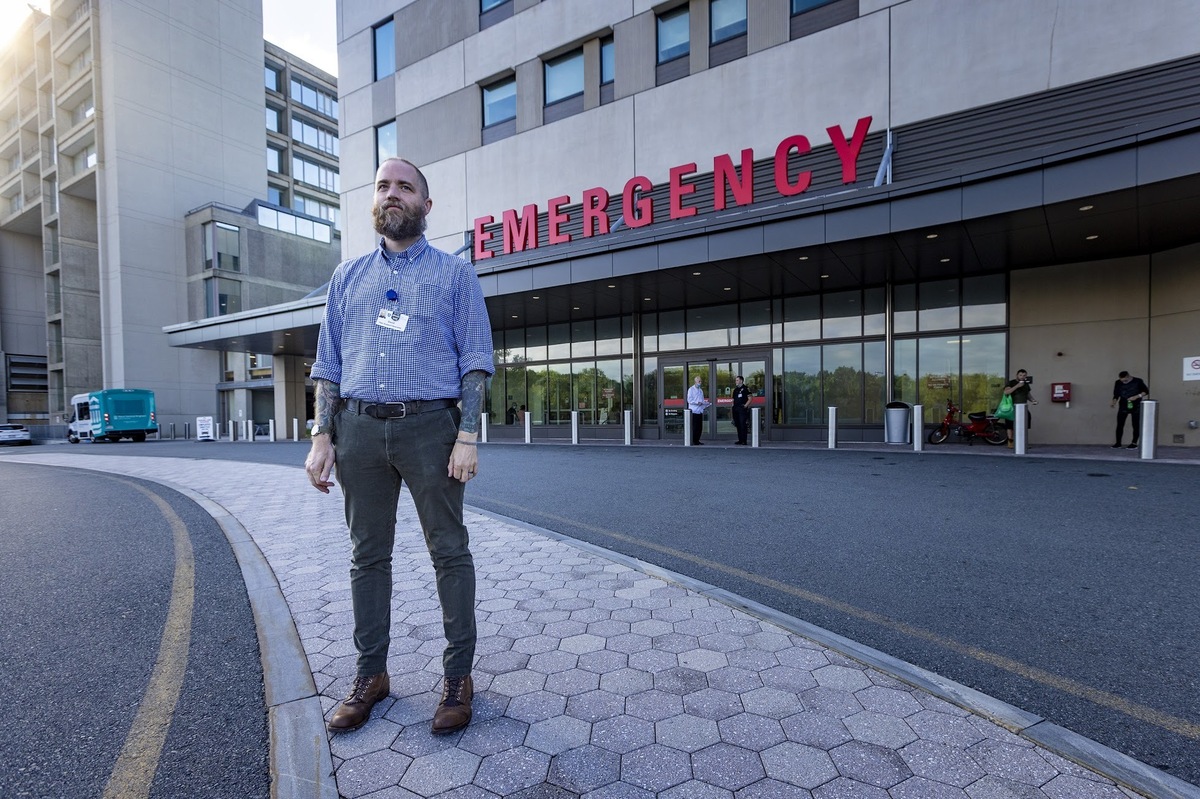
David Cave, a recovery coach who is part of an addiction specialty team at Salem Hospital, north of Boston, stands outside the emergency department.

Jesse Costa/WBUR


hide caption

toggle caption

Jesse Costa/WBUR


David Cave, a recovery coach who is part of an addiction specialty team at Salem Hospital, north of Boston, stands outside the emergency department.

Jesse Costa/WBUR

Marie lives in the coastal town of Swampscott, in Massachusetts. Last December, she began having more and more trouble breathing. One morning, three days after Christmas, she woke up gasping for air. A voice in her head said, “You’re going to die.” Marie dialed 911.

“I was so scared,” Marie said later. Describing that day, the 63-year-old’s voice filled with tension, and her hand clutched at her chest.

Marie was admitted to Salem Hospital, north of Boston. The staff treated her COPD, a chronic lung condition that includes emphysema and chronic bronchitis.

KHN logo

After her worst symptoms subsided, a doctor came the next day to check on her. He told Marie her oxygen levels looked good and that she was stable and ready to be discharged.

NPR is not using Marie’s last name because she, like 1 in 9 hospitalized patients, has a history of addiction to drugs or alcohol. Disclosing a diagnosis like that can make it hard to find housing, a job and even medical care in hospitals where patients with an addiction may be shunned.

But talking to the doctor that morning, Marie felt she didn’t have a choice. She had to tell him about her other medical problem.

“He said I could be released,” Marie recalled. “And I said, ‘I got to tell you something. I’m a heroin addict. And I’m, like, starting to be in heavy withdrawal. I can’t literally move, please don’t make me go.'”

Without care, discharged patients risk overdose

At many hospitals in Massachusetts and across the country, Marie would likely have been discharged anyway, while still in the pain of withdrawal. Perhaps she would leave with a list of local detox programs where she might — or might not — find help.

But a crucial opportunity to intervene and treat at the hospital would have been lost — partly because most hospitals don’t have specialists available who know how to treat addiction, and other clinicians don’t know what to do.

Hospitals typically employ all sorts of specialists who focus on critical organs like hearts, lungs and kidneys — or who treat systemic or chronic diseases of the immune system or the brain. There are specialists for children, for mental illness, for childbirth and hospice.

But if your illness is an addiction or a condition related to drug or alcohol use, there are few hospitals where patients can see a clinician — whether that be an M.D., nurse, therapist or social worker — who specializes in addiction medicine.

Their absence among hospital personnel is particularly striking at a time when overdose deaths in the U.S. have reached record highs, and research shows patients face an increased risk of fatal overdose in the days or weeks after they are discharged from a hospital.

“They’re left on their own to figure it out, which unfortunately usually means resuming [drug] use because that’s the only way to feel better,” says Liz Tadie, a nurse practitioner certified in addiction care.

In the fall of 2020, Tadie launched a new approach at Salem Hospital, using $320,000 from a federal grant that the hospital had worked for several years to secure. Tadie put together what’s known as an “addiction consult service.”

At Salem, that team included Tadie, a patient case manager, and three recovery coaches — who draw on their experience with addiction to advocate for patients and help them navigate their treatment options.

What an addiction consult service brings to the bedside

So on that day, when Marie said, “Please don’t make me go,” her doctor didn’t tell Marie she had to leave. He called Tadie for a bedside consult.

Tadie started out the treatment by first prescribing methadone, a medication to treat opioid addiction. Although many patients do well on that drug, it didn’t help Marie, so Tadie switched her to buprenorphine, with better results. After a few more days, Marie was eventually discharged and continued taking buprenorphine to manage her addiction to opioids.

But Marie continued seeing Tadie for treatment as an outpatient and was able to turn to her for support and reassurance:

“Like, that I wasn’t going to be left alone,” Marie said. “That I wasn’t going to have to call a dealer ever again, that I could delete the number. I want to get back to my life. I just feel grateful.”

Among Salem’s clinical staff, Tadie helped spread the word about the expertise she can offer and how it can help patients. Success stories like Marie’s helped her make the case for addiction medicine — which also meant unraveling decades of misinformation, discrimination and ignorance about patients with an addiction and their treatment options.

Part of the problem, according to Tadie, is that doctors, nurses and other clinicians get very little training in the physiology of addiction and withdrawal, the medications and treatment options, and the emerging science about what works for these patients. What little training that doctors and nurses do get is often unhelpful.

“A lot of the facts are outdated,” Tadie says. “And people are training to use stigmatizing language — words like ‘addict’ and substance ‘abuse.'”

Tadie gently corrected doctors at Salem Hospital, for example, who thought they weren’t ever allowed to start patients on methadone in the hospital.

“Sometimes I would recommend a dose and somebody would give pushback,” Tadie says. But “we got to know the hospital doctors and they, over time, were like, “OK, we can trust you. We’ll follow your recommendations.”

Over time, addiction specialists help change the culture

Other members of Tadie’s team have also wrestled with finding their place in the hospital hierarchy. David Cave, one of the recovery coaches at Salem Hospital, is often the first person to speak to a patient who comes to the emergency room in withdrawal. He tries to help doctors and nurses understand what the person is going through and help navigate their care.

“I’m probably punching above my weight every time I try to talk to a clinician or doctor,” says Cave. “They don’t see letters after my name. It can be kind of tough.”

But naming addiction as a specialty, and hiring people with training in this particular disease, is shifting the culture of Salem Hospital, according to Jean Monahan-Doherty, a social worker who has referred patients to Tadie.

“There was finally some recognition across the entire institution that this was a complex medical disease that needed the attention of a specialist,” Monahan-Doherty says. “People are dying. This is a terminal illness unless it’s treated.”

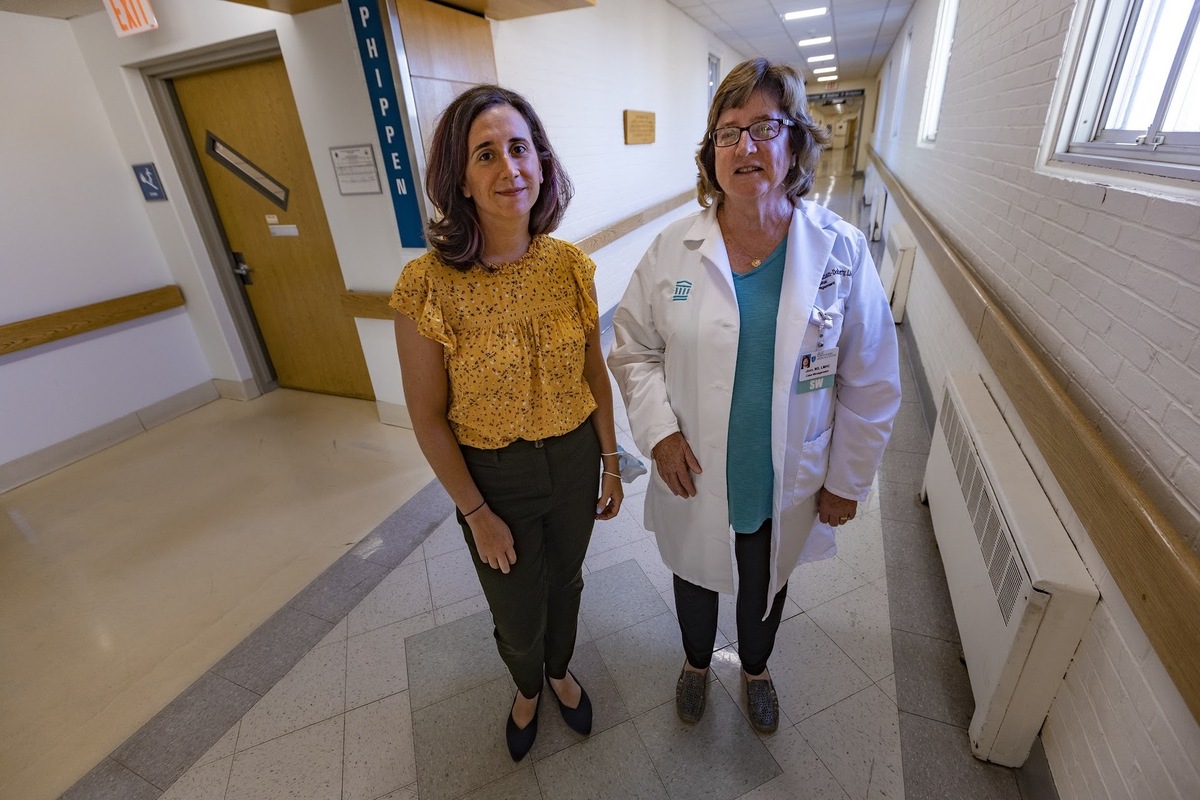
Former director of substance use disorder services at Salem Hospital Liz Tadie (left) and social worker Jean Monahan-Doherty. Tadie is moving to a new job at another hospital, but Salem Hospital leaders say they are committed to continuing the program.

Jesse Costa/WBUR


hide caption

toggle caption

Jesse Costa/WBUR


Former director of substance use disorder services at Salem Hospital Liz Tadie (left) and social worker Jean Monahan-Doherty. Tadie is moving to a new job at another hospital, but Salem Hospital leaders say they are committed to continuing the program.

Jesse Costa/WBUR

This approach to treating addiction is winning over some Salem Hospital employees — but not all.

“Some of the medical staff continue to see it as a moral issue,” Monahan-Doherty says. “Sometimes you hear an attitude of ‘Why are you putting all this effort into this patient? They’re not going to get better.’ Well, how do we know? If a patient comes in with diabetes, we don’t say, ‘OK, they’ve been taught once and it didn’t work. So we’re not going to offer them support again.'”

Despite lingering reservations among some colleagues, the demand for their services is quite high. Many days, Tadie and her team have been overwhelmed with referrals.

With federal support, states experiment to stop overdose deaths

Four other Massachusetts hospitals also added addiction specialists in the past three years and experienced similar challenges and success. The additional staff were paid for by federal funding from the HEALing Communities study. This project is paying for a wide range of strategies across several states, to determine the most effective ways to reduce drug overdose deaths. They include mobile treatment clinics, street outreach teams, naloxone trainings and distribution, rides to treatment sites, and multilingual public awareness campaigns.

“You really do provide better care for patients and you make the care environment one that people are more satisfied working in,” says Dr. Jeffrey Samet, who leads the Massachusetts portion of this research effort. Samet practices primary care at Boston Medical Center and says adding addiction specialists in hospitals is a key piece of the solution.

Dr. Todd Kerensky, president of the Massachusetts Society of Addiction Medicine, has seen patients cry when they learn he specializes in addiction and wants to treat their disease, not shame them.

“It’s gut-wrenching to know there are a lot of institutions that don’t have this service,” says Kerensky. It’s not clear how many hospitals in Massachusetts have addiction experts on staff, but Kerensky says it’s a “distinct minority.”

There are many possible reasons. It’s a new field, so finding qualified staff members with the right certifications may be a hurdle. Some hospital leaders say they’re worried about the costs of addiction treatment and fear they’ll lose money on the efforts. Some doctors report not wanting to initiate a treatment medication while the patient is still in the hospital, because they don’t know where to refer patients after they’ve been discharged, whether that be outpatient follow-up care or a residential program. To address follow-up care, Salem Hospital started what’s known as a “bridge clinic,” where patients get help transitioning to outpatient care.

Despite these worries and reservations, hospitals that don’t have an addiction specialty team need to start one, says Dr. Honora Englander, a national leader in addiction specialty programs.

“People with substance use disorder are coming to our hospitals now,” said Englander, who directs an addiction care team at Oregon Health and Science University. “We can’t wait. We have to do better, and this is the time.”

Englander says the federal government could support the creation of more addiction consult services by offering financial incentives — or penalties for hospitals that don’t embrace them. The Centers for Medicare & Medicaid Services, which has regulatory authority over most U.S. hospitals, could require that hospitals stock the medications used to treat an addiction and track outcomes for patients hospitalized with a substance use disorder, in the same way that CMS already does when it comes to readmissions for other health conditions.

At Salem Hospital, the program is still new, and some staff worry about its future. Liz Tadie is moving to a new job at another hospital, and the federal grant ended June 30. But Salem Hospital leaders say they are committed to continuing the program, and the service will continue.

Compared to the other four Massachusetts hospitals that launched addiction consult teams using the same federal grant, Salem Hospital has helped the most patients. Over a 15-month period, its team helped 448 patients begin medication to treat their opioid use disorder.

This story comes from NPR’s health reporting partnership with WBUR and KHN (Kaiser Health News).

How Does Pet Insurance Work? (2022 Guide)

How Does Pet Insurance Work? (2022 Guide)

In this article: What Is Pet Insurance? | How Does Pet Insurance Work? | What Does Pet Insurance Cover? | What Doesn’t Pet Insurance Cover? | Cost | The Bottom Line | FAQs | Methodology

Pet insurance is a health care policy that covers your pet’s medical procedures and treatments. A good pet insurance plan covers accidents or illnesses your pet may experience and some routine care, such as annual checkups. However, there’s a lot of terminology to sift through while shopping for a pet insurance provider. 

To help you understand the jargon and how pet insurance works, we at the Home Media reviews team researched the best pet insurance companies and compiled this detailed guide.


What Is Pet Insurance?

Pet insurance partially or fully reimburses your pet’s medical bills. Standard pet insurance covers unexpected expenses for accidents and illnesses, but you can add coverage for routine wellness and other care. With a pet insurance plan, you can focus on your pet instead of worrying about the cost of treatments they need to live a happy, healthy life.


How Does Pet Insurance Work?

Pet insurance differs from human health insurance in that you pay your vet directly and submit the bill for reimbursement, rather than only paying a co-pay at checkout. You typically submit these claims to your pet insurance company via an online portal, mobile app, email or mail. Once approved, you’re reimbursed for the percentage of the bill you selected during enrollment.

Pet insurance providers often require a health checkup and a waiting period before beginning coverage. These are in place to avoid insuring a pet that’s already sick. The average waiting period is typically a few days. 

Below are a few standard terms you’ll come across when shopping for pet insurance. These factors determine the quality of your policy depending on your budget and needs. 

Premium

A premium refers to the monthly fee you pay for your plan. Other factors, such as your deductible and reimbursement rate, influence your premium.  

Deductible

A deductible is a set amount you must pay for your pet’s care before receiving reimbursement. Some insurers have a per-incident deductible, which means you’ll need to meet that amount for every incident. Other companies offer an annual deductible, so you’ll only need to meet the deductible once per year. 

Deductibles range from $0 to $1,000 per incident or year. 

Reimbursement Rate

You also select a reimbursement rate when you enroll in a policy. This term refers to the percentage of costs you’ll get reimbursed after meeting your deductible. You’ll pay a lower monthly premium if you choose a lower reimbursement rate, but you’ll owe a greater portion of the bill. You’ll pay a higher monthly premium if you choose a high reimbursement rate, but you’ll get more cash back on your claims.

You can set a reimbursement rate between 50{35112b74ca1a6bc4decb6697edde3f9edcc1b44915f2ccb9995df8df6b4364bc} and 100{35112b74ca1a6bc4decb6697edde3f9edcc1b44915f2ccb9995df8df6b4364bc} depending on your insurer. 

Annual Limits

An annual limit refers to the maximum amount of reimbursement you can receive in one year. You’ll have to cover additional expenses out of pocket if you exceed this amount. Most pet insurance companies offer an annual limit of at least $2,500. Some insurers even offer unlimited annual limits, meaning you’ll never have to pay out of pocket.


What Does Pet Insurance Cover?

Pet insurance covers many common treatments and procedures resulting from accidents and illnesses, including the following items: 

  • Accidental injuries such as broken bones and ACL ruptures
  • Chronic illnesses such as allergies and skin illnesses
  • Common illnesses such as infections and kennel cough
  • Hereditary issues such as hip dysplasia
  • Hospitalization procedures such as surgeries and veterinary care
  • Lab work such as X-rays and blood tests
  • Serious illnesses such as cancer and diabetes

Though standard pet insurance plans don’t typically cover wellness and routine care, you can enroll in add-ons or an additional wellness care plan to receive the following coverage: 

  • Behavioral treatments such as therapy for aggression or anxiety
  • Holistic (alternative) treatments such as acupuncture and chiropractic procedures
  • Wellness care such as routine checkups, vaccinations and spay/neuter surgery


What Doesn’t Pet Insurance Cover?

Preexisting conditions are the primary exclusion in all pet insurance plans. These conditions are injuries or illnesses your pet experiences before your plan goes into effect or during the waiting period. For example, you won’t receive coverage for allergy treatments or medications if your dog or cat is diagnosed with allergies before your policy starts.

Here are a few other standard exclusions pet insurance companies include:

  • Breeding costs for procedures associated with breeding or pregnancy
  • Cosmetic procedures such as tail docking and claw removal 
  • Dietary and nutritional supplements such as dog and cat food
  • Experimental treatments, including any treatment not within the standard of care accepted by your state’s veterinary medical board


Cost of Pet Insurance

Pet insurance costs vary by your provider and plan. The monthly premium can cost anywhere from $10 to $100. Most pet owners can expect to pay $30 to $50 for dogs and $15 to $30 for cats. Your location, reimbursement percentage, deductible, and pet’s age and breed also influence your premium. Opting for an additional wellness plan will increase the cost.


The Bottom Line: Do I Need Pet Insurance?

Pet health insurance protects you from paying hundreds or thousands of dollars to get your pet care if it gets sick or injured. A policy can even save your pet’s life if it needs surgery for cancer or another threatening illness. If you’re worried about the additional expense, plenty of cheap pet insurance companies can match your budget.

We recommend finding a reputable and reliable pet insurance company. Get a quote from at least three different providers to compare their pricing and coverage. Below are some of our top recommendations. 


Lemonade Pet Insurance: Most Affordable Plans

Lemonade is an excellent option for pet parents looking to save money. The insurer offers some of the most affordable pet insurance plans available and a user-friendly smartphone app to manage your claims, policy coverage and billing. 

Lemonade has one comprehensive plan that covers treatments related to accidents and illnesses, such as diagnostic tests, hospitalizations, surgery, cancer treatments, broken bones or sprains, prescription medications and more. 

To learn more: Lemonade Pet Insurance review


Spot Pet Insurance: Most Customizable

Spot Pet Insurance provides customizable coverage, with annual limit options ranging from $2,500 to unlimited. Spot’s policies also cover a few items that many other pet insurance providers don’t, such as exam fees and microchipping. 

Spot offers a more affordable accident-only plan and a comprehensive accident-and-illness plan for unexpected injuries or other conditions, including dental disease, cancer, heart disease and more.

To learn more: Spot Pet Insurance review

Trupanion Pet Insurance: Most Flexible Deductible

Trupanion is a nationwide pet insurance provider that offers unlimited annual coverage caps, customizable deductibles and direct payments. Most pet insurance requires you to pay your entire vet bill and get reimbursed later, but if you choose Trupanion’s $0 deductible option, you only pay your percentage of the bill at checkout. In addition, Trupanion provides one comprehensive pet insurance plan with accident-and-illness coverage.

To learn more: Trupanion Pet Insurance review


Frequently Asked Questions About How Pet Insurance Works

Methodology: Our System for Ranking the Best Pet Insurance Companies

Our review of pet insurance companies is based on in-depth industry research that includes reading hundreds of customer reviews, simulating the quote and purchasing process, speaking to representatives on the phone to assess the customer service experience and surveying 1,000 dog and cat owners nationwide to determine the most important elements of pet insurance coverage.

We scored each provider on a 100-point scale based on those elements. We then divided the points earned for each provider’s final score on a 5-point scale.

Here are more details about each factor and how they’re weighted:

  • Monthly pricing (25 points): How much each company charges for its pet insurance plans is an important part of a customer’s decision. The best pet insurance companies combine comprehensive coverage and plan options with affordable rates.
  • Plans (15 points): The top pet insurance companies offer accident and illness plans, accident-only plans and wellness or preventive care add-ons to give customers the option to choose a plan that’s best for their pet.
  • Covered treatments (15 points): With this factor, we scored companies based on the treatments and procedures they cover. Companies with a breadth of included treatments and unique coverages received more points than providers with more standard or general policies.
  • Customization options (10 points): Customizing your policy is a valuable way to ensure you only pay for what your pet needs. Providers with more annual-limit, deductible and reimbursement-rate options earned the highest scores.
  • Customer care (10 points): We scored companies on their website accessibility and overall usability, customer service availability, mobile apps (if any), money-back guarantees and veterinarian telehealth options, awarding points to the insurers with more customer experience offerings.
  • Industry reputation (10 points): To determine each company’s industry reputation, we reviewed up-to-date ratings and accreditation information from the Better Business Bureau (BBB) and scored companies on their years of experience in the industry and their state availability.
  • Waiting periods (10 points): Companies with shorter accident, illness and orthopedic waiting periods between the sign-up and coverage start date scored higher than companies with longer waiting periods.
  • Eligible age (5 points): Some companies don’t offer policies for pets that are over a certain age. We deducted points from providers that have age limits for covered pets.

We use our rating system to compare and contrast each company against key factors to help us determine the best pet insurance companies in the industry. Additionally, we keep our research up to date and revisit our reviews on a regular basis.

COVID-19 update for Sept. 29: Here’s what you need to know

COVID-19 update for Sept. 29: Here’s what you need to know

The superior news is that most of the inhabitants has accrued some immunity to SARS-CoV-2, the virus that triggers COVID-19, from vaccination or an infection, overall health officials claimed at a news conference Wednesday.

Nevertheless, that solid immunity will wane more than time and so wellness officials are urging British Columbians to get a booster shot that guards versus the Omicron variant.

Hospitalizations and fatalities from COVID-19 are drastically down from a peak in January, according to B.C. governing administration knowledge. There was a slight surge in May perhaps and then there has been a constant drop.

Choose upholds B.C. employer’s mandatory COVID vaccination coverage

A B.C. judge has upheld an employer’s ideal to put an worker on an unpaid leave of absence for failing to comply with a necessary COVID vaccination coverage.

The selection of B.C. Supreme Court docket Justice Heather MacNaughton was designed in the case of a senior manager of a assets management firm who had declined to get vaccinated.

In her lawsuit, Deepak Parmar alleged that she had been constructively dismissed from her work with Tribe Administration, professing that the organization had breached its contractual obligations by imposing the required plan.

Parmar, an accounting skilled who is not an anti-vaxxer, in accordance to the choose, was worried that the vaccines have been ready and distributed unexpectedly and that there was limited info about their lengthy-expression efficacy and potential detrimental overall health implications.

Go through the complete tale right here.

— Keith Fraser

Healthcare specialists reiterate that COVID-19 is still a menace

The removal of mask mandates and vaccine needs has clinical experts and entrance-line staff reiterating that COVID-19 is even now a threat.

The federal federal government declared on Monday that starting Oct. 1, all COVID-19 entry limitations will be taken off, together with screening, quarantine and isolation specifications for anybody getting into Canada.

A professor of epidemiology at the University of Saskatchewan, Nazeem Muhajarine, claimed that the lifting of constraints did not appear as a shock to him and other professional medical professionals as Canada could only very last so extensive just before becoming a member of other countries’ regulatory practices.

Canada is one particular of the final nations around the world to get rid of journey demands following the U.S. and the U.K. — still, Muhajarine said, the removal of the needs does not necessarily mean the elimination of the risk of COVID-19.

“On the 1 hand expressing that there is no constraints now applied, and on the other hand indicating that the pandemic is not over, people two items seem to not go hand in hand,” explained Muhajarine.

—The Canadian Press

Additional than 1.6 million travellers arrived at border without having making use of ArriveCAN: governing administration doc

The Liberal governing administration will end requiring travellers to use the ArriveCAN app — even though new details reveals that given that the start off of the 12 months, a lot more than 1.65 million men and women already flaunted the policies by arriving at the border with no offering the info as a result of the app.

The federal government explained Monday it would elevate all COVID-19-associated travel actions on Oct. 1, such as the prerequisite that travellers to Canada use the ArriveCAN application to provide COVID-19 vaccine, health and vacation info in advance of they arrive. The shift follows opposition to the app from small business teams, which includes the journey and tourism industry, and the Conservative Occasion.

In accordance to a doc tabled in the Property of Commons previous 7 days, among Jan. 1 and Aug. 31, a total of 1,651,900 travellers experienced “presented by themselves at the border for entry into Canada devoid of possessing submitted their community wellness facts through ArriveCAN prior to arrival.” That selection accounts for about 4.3 for every cent of the 38.5 million people today who entered Canada by way of air or land from the start of the year to Sept. 11.

Read through the total storyhere.

— The Countrywide Post

Employers stretched to recruit personnel in B.C.’s pandemic restoration economy

Cafe provider Russell Hendrix’s administrators experienced to do a lot of juggling in the company’s flagship showroom to cover for two flooring income work that took months to fill, even providing $1,000 signing bonuses.

“Vancouver was a obstacle for me before the pandemic, but the pandemic just designed it a lot more challenging,” said Anna Blaszczynska, the company’s vice-president of human assets, who has taken the “unprecedented” step of using a recruiting company to find these showroom profits reps, which is ordinarily an entry-amount place.

And with B.C.’s province-large unemployment amount close to file lows, 4.8 per cent as of August, in accordance to Data Canada’s labour power study, Blaszczynska does not know “if there is heading to be an conclude to this.”

B.C. is not on your own. Country-broad, the workforce that was first upended by significant job losses at the beginning of the COVID-19 pandemic is being upended again by a number of forces.

In quite a few circumstances, employees aren’t returning to employment they missing, owning opted to swap occupations. Then there is the basic demographic strain of personnel retiring quicker than new candidates moving into the workforce.

Examine the whole storyhere.

— Derrick Penner

Employees nervous about basic safety of returning to office environment as potential COVID wave looms this tumble

Some Canadian staff are elevating fears about a full return to office and do the job vacation as Ottawa lifts all remaining border restrictions and gurus warn of a most likely huge wave of new COVID-19 situations this drop.

The “living with COVID” stage has viewed most mask mandates dropped, self-isolation regulations nixed and necessary place of work vaccine polices rescinded. Nevertheless as the possibility of repeat infection and very long COVID is greater understood, some personnel stress about exposure from a each day commute, travelling for conferences or working in a shared space.

Some are even leaving their positions that require business office attendance or major travel.

Ben MacLeod give up his aspiration task in excess of overall health concerns. Before this 12 months he moved again to his hometown of Halifax from Asia in look for of occupation experience and risk-free harbour during the pandemic.

Nova Scotia’s reaction to the novel coronavirus was between the most cautious in the earth and he considered it was a safe guess.

— The Canadian Push

Feds elevate border vaccine mandates, mandatory masks on planes and trains

Federal ministers say all COVID-19 border limits will finish as of Saturday, like necessary vaccinations, testing and quarantine of intercontinental travellers, as nicely as necessary masks on planes and trains.

The cupboard get preserving COVID-19 border steps will not be renewed when it expires on Sept. 30.

The modify will suggest foreign nationals no lengthier have to have an approved sequence of vaccinations to enter the place.

It also implies Canada-bound travellers will no for a longer time be matter to random required COVID-19 checks, and unvaccinated Canadians will not will need to isolate when they return to the nation.

— The Canadian Press

Popular Chinese commentator urges COVID specialists to ‘speak out’

Distinguished Chinese commentator Hu Xijin reported on Sunday that as China ponders its COVID-19 policies, epidemic experts have to have to converse out and China should to conduct in depth exploration and make any experiments transparent to the general public.

Hu’s abnormal call on Chinese social media for candour and transparency earned him 34,000 likes on the common Twitter-like microblog Weibo, as effectively as frank responses from netizens in a usually tightly policed world wide web swift to censor voices considered a hazard to social stability.

China’s top leaders warned in May well amid the COVID lockdown of Shanghai and prevalent constraints in the Chinese capital Beijing that they would struggle any remark or action that distorted, doubted or repudiated the country’s COVID procedures.

“About the future, China requires pretty rational study and calculations,” mentioned Hu, former editor-in-main of nationalist condition tabloid World Situations. “Experts should discuss out, and the state should really arrange extensive experiments and make them transparent to the community: what are the execs and cons for our frequent persons, and what are the over-all pros and drawbacks for the country?”

— Reuters

Ontario opens Omicron-focused vaccine bookings for all grownups

All adults in Ontario can now e-book an appointment to get an Omicron-specific COVID-19 vaccine as of Monday.

The province produced the bivalent vaccine readily available to its most vulnerable populations earlier this month, but said appointments to acquire the new shot would be open up to all people 18 or more than as of Sept. 26.Overall health Minister Sylvia Jones suggests getting a booster dose is primarily significant with the commence of the drop and winter respiratory sickness year.
— The Canadian Push

Nutrition, exercise, routines, and more

Nutrition, exercise, routines, and more

A diabetic issues diagnosis will have to have a individual to make quite a few adjustments to their way of life and routines. On the other hand, devising and sticking to a great treatment prepare can assistance a person preserve a feeling of company close to their condition and superior good quality of daily life.

Dwelling with diabetes calls for a person to eat a nutritious diet regime, continue being active, manage their symptoms, and know the symptoms of diabetic health and fitness issues.

Diabetes is a continual sickness that affects the body’s skill to change glucose from meals into electrical power, and it has three notable forms. Form 2 diabetes generally presents in adulthood and is the most frequent kind, accounting for about 90{35112b74ca1a6bc4decb6697edde3f9edcc1b44915f2ccb9995df8df6b4364bc} of all diabetic issues diagnoses. It triggers insulin resistance, which implies that the body’s insulin is not as successful at turning glucose into power as it need to be.

Individuals with diabetes should establish techniques for taking care of their blood glucose, keeping a average excess weight, and preventing troubles like circulatory overall health issues and bacterial infections. Life-style modifications, diabetic issues education and learning, and treatment can support a particular person living with diabetes achieve their very best possible health results and good quality of daily life.

Browse on to understand additional about living with diabetes.

All kinds of diabetes have an effect on the body’s capacity to convert glucose to vitality making use of insulin. The 3 primary styles of diabetic issues include things like:

  • Form 1 diabetic issues: Occasionally named juvenile diabetic issues since it commonly starts in childhood, type 1 diabetes is an autoimmune disease. The body destroys insulin-generating cells, reducing the body’s potential to metabolize glucose. Folks with type 1 diabetes need insulin therapy.
  • Style 2 diabetes: The most typical form of diabetes is most commonplace amongst adults, with premiums starting to increase in center age. It results in insulin resistance, which usually means that the entire body provides insulin, but cannot use it effectively. Way of living improvements may enhance a person’s symptoms, but some need remedies, such as insulin.
  • Gestational diabetic issues: This kind of diabetic issues develops all through pregnancy and is typically short-term, even though it raises a person’s danger of later developing diabetes. Gestational diabetes reduces the body’s ability to use insulin to metabolize glucose, causing superior blood sugar. A individual might be equipped to manage signs or symptoms with lifestyle adjustments, but if these do not perform, they may well need to have insulin.

Since diabetes has an effect on the body’s capacity to metabolize glucose, substantial glycemic index foods are more possible to boost a person’s blood glucose and induce diabetes issues. This indicates they must cut down sweetened, processed meals and straightforward carbs, these kinds of as white bread and white pasta, from their diet program.

In its place, a individual should target on taking in nutrient-dense meals. Some other tactics for a healthier diet plan consist of:

  • minimizing foods higher in saturated fat, these as fried food items
  • ingesting far more fiber and protein, which are far more nutritionally dense, filling, and do not induce blood sugar spikes, encouraging a person retain wholesome levels
  • lessening ingestion of superior fructose corn syrup
  • eliminating empty energy in the variety of sweetened drinks
  • replacing white breads and pastas with total grain choices
  • consuming fruit when a person craves something sweet

Folks with type 2 diabetic issues normally have surplus excess weight or have being overweight. This can increase their possibility of diabetic issues issues, this kind of as coronary heart disorder. Physical exercise could assist a individual achieve or manage moderate system body weight.

Exercise can also improve the body’s sensitivity to insulin, which can strengthen a person’s diabetic issues signs and symptoms and assist healthier blood glucose levels. Until a medical doctor has especially explained to a person not to training, just about everybody can gain from training. Much more physical exercise frequently delivers far more benefits.

The Facilities for Disease Management and Avoidance (CDC) recommends a minimal of 150 minutes of moderate-intensity physical exercise per week. Some procedures for raising a person’s activity ranges include things like:

  • trying a new hobby that encourages actual physical exercise, this sort of as gardening or climbing
  • making exercising social by becoming a member of a sporting activities staff or a going for walks club
  • finding organic strategies to integrate workout into the day, these kinds of as frequently strolling close to the place of work or doing yoga
  • incorporating training into a day by day timetable, probably by performing exercises before breakfast each individual morning

Simply because individuals with sort 1 diabetes do not deliver plenty of insulin, they need insulin cure. A person may well need to give themselves insulin injections or use an insulin pump.

People with style 2 diabetic issues and gestational diabetic issues may well need insulin if they cannot handle their blood glucose with life-style alterations by itself.

Many other drugs may well also support a person’s diabetes signs or symptoms when insulin alone does not operate. Some drug lessons a doctor might recommend include:

  • GLP-I receptor agonists
  • SGL-2 inhibitors
  • DPP-4 inhibitors

A particular person could also will need medication for diabetes-similar difficulties. Some frequent medicine involve:

It can acquire time to make the wholesome variations that diabetes involves. A person need to emphasis on making incremental variations that steadily enhance their health and fitness. A program might make these variations much easier. Some approaches for building a wholesome schedule involve:

  • incorporating training into a person’s day-to-day program
  • preparing foods in advance to make it a lot easier to make balanced food stuff options and keep track of what a man or woman eats
  • quitting smoking cigarettes and cutting down or eradicating alcohol by averting many others when they are smoking cigarettes or drinking
  • determining a person’s triggers for unhealthy options — some folks smoke when they really feel stressed or try to eat a lot more at spouse and children gatherings
  • aiding a particular person triumph by making sure nutritious snacks are readily available and offering a wide range of fulfilling bodily functions, these kinds of as an physical exercise bicycle in their home office

Main lifestyle modifications can affect a person’s plan, generating it extra difficult to manage a wholesome way of life. For case in point, when a individual is sick, they may perhaps be significantly less equipped to exercise or make balanced foods.

When daily life changes disrupt a person’s plan, contemplate bit by bit reincorporating healthy routines a person by a person. Tiny alterations make a difference and increase up. Also, obtaining option means to keep a healthier way of life can be practical.

For illustration, a individual working very long hrs, who are not able to workout, can still eat nutritious foods. They could also take frequent breaks to stroll or stretch through audio calls.

A variety of physiological improvements all through of a person’s lifetime might also affect their diabetic issues signs and management.

For occasion, tension can influence a person’s blood glucose amounts. Menopause may have an effect on the body’s insulin secretion capacity and sensitivity, too. Nonetheless, hormone substitute treatment has favourable consequences on a person’s blood sugar stages. It is vital to talk with a health care provider about how significant lifestyle improvements may possibly impact a person’s diabetes and strategies to most effective reduce any unfavorable consequences.

A particular person with diabetes will want help to make essential way of living adjustments. Moreover, insulin injections and regular health care appointments may possibly feel nerve-racking or mind-boggling. Some approaches for getting the appropriate assist consist of:

  • signing up for an on the web or in-human being diabetic issues assistance group
  • mastering as a lot as doable about diabetes — the American Diabetes Affiliation (ADA) delivers a wide array of academic elements for people today residing with diabetic issues
  • finding a medical professional who specializes in diabetic issues, usually an endocrinologist
  • often checking a person’s signs or symptoms, and telling a doctor if their indicators modify or get even worse
  • telling cherished ones about a person’s aims for diabetes remedy can aid them have an understanding of a person’s certain needs, and they may possibly be additional supportive, this kind of as not pressuring a individual to consume a further piece of cake

Diabetes is a long-term illness that often receives worse with time, primarily without having helpful therapy or wholesome lifestyle alterations.

Both equally genetic and environmental components engage in a function in the improvement and development of diabetes. For that reason, even with a balanced way of living, a individual could call for medication and ongoing medical assist.

Folks with diabetes ought to obtain a medical doctor they like and have confidence in to support them develop a detailed plan for residing with diabetes.

S.F. expects to eventually open supervised drug consumption sites inside some new ‘wellness hubs’

S.F. expects to eventually open supervised drug consumption sites inside some new ‘wellness hubs’

San Francisco officials claimed Thursday that they count on to eventually open up supervised drug usage sites inside new “wellness hubs” they’re arranging that will serve men and women struggling with addiction.

Not all the hubs will have supervised websites, which will only open up immediately after lawful difficulties are resolved.

The metropolis aims to open up the to start with hub by the conclusion of the calendar year. At least a single much more hub will open up upcoming 12 months and far more in five several years, but when the legal concerns close to intake web pages will be worked out continues to be unclear. Specifics on wherever the 1st hub will be or what it will provide are continue to currently being worked out. Distinct services at every hub will be decided by sizing, area and requirements of the community, but could incorporate drug checking, HIV tests, access to cure and overdose-reversing medicine.

The wellbeing office mentioned in a assertion that “in the long run, it is anticipated that some wellness hubs will include things like protected intake.”

The health department “recognizes the great importance of safe and sound consumption in conserving lives and lowering community drug use and will keep on to pursue it in the hubs in neighborhoods with higher fees of overdose at the time the authorized difficulties have been dealt with,” the assertion browse.

Supervised drug usage web-sites, in which people today could use unlawful substances less than medical supervisors, are continue to prohibited

by federal law. Advocates have pushed for the intervention for years based mostly on international study that demonstrates they preserve lives. Irrespective of a current veto by Gov. Gavin Newsom to permit a pilot program in San Francisco,
Mayor London
Breed and the Metropolis Legal professional
have said
they want to open websites next a product in New York City, where a privately funded nonprofit has been operating two web pages considering the fact that last year.

The hubs are aspect of the city’s
first-ever program
with measurable ambitions to decrease overdoses, declared Wednesday. The new approach, welcomed by lots of advocates and officers, sets ambitious ambitions to reduce overdoses, racial disparities in fatalities among Black San Franciscans and expand entry to cure.

The strategy follows powerful political force for the city to take action as drug deaths mounted around the previous handful of years, leaving approximately 1,700 individuals lifeless since the start out of 2020.

The hubs are intended to exchange the big Tenderloin Centre in United Nations Plaza, introduced in January as component of Breed’s unexpected emergency declaration to curb overdoses in the neighborhood. The latest centre, which makes it possible for persons to use medicines in a fenced-off out of doors area, get fundamental services and get connected to housing or therapy, serves close to 400 persons a day. Some residents protested the determination to let men and women acquire prescription drugs on the web-site, but proponents pointed out that staff have reversed 219 overdoses.

The city declared abruptly in June that the heart would near by year’s close, prompting requests from advocates and Supervisor Dean Preston, who signifies the space, for a substitute.

San Francisco’s wellness section introduced its program at a Board of Supervisors listening to Thursday, joined by dependancy therapy and drug plan professionals. The new plan sets ambitious targets to minimize
deadly
overdoses by 15{35112b74ca1a6bc4decb6697edde3f9edcc1b44915f2ccb9995df8df6b4364bc} by 2025, drop racial disparities in overdose fatalities by 30{35112b74ca1a6bc4decb6697edde3f9edcc1b44915f2ccb9995df8df6b4364bc} by 2025 and maximize the amount of people obtaining medications for addiction cure by 30{35112b74ca1a6bc4decb6697edde3f9edcc1b44915f2ccb9995df8df6b4364bc} by 2025.

To meet those people aims, officers are preparing a slew of steps around the up coming five many years, such as introducing 70 household drug treatment beds as well as 40 beds for w
omen
with the two mental ailment and habit in the Bayview and growing the availability of overdose-reversing treatment in town supportive housing. The city will also develop community awareness strategies about drug use, its pitfalls, cure selections and how to reverse overdoses.

Breed’s behavioral overall health director Dr. Hillary Kunins
informed supervisors the town was on the lookout to bolster its “continuum of services” – ranging from overdose avoidance for people who are not thinking about cure to sober dwelling environments. She claimed “treatment and harm reduction are not mutually special,”

hinting at
a debate resurrected
in San Francisco about no matter if the city’s many years-extended damage-reduction policy does not give sufficient help to enter drug recovery.

The town has created modern development in the delayed reform of its damaged behavioral wellness treatment system. It is additional a lot more than 250 mental health and drug therapy beds
considering the fact that past calendar year,
started a new office to coordinate care and introduced a staff to reply to overdoses on the streets.

Kunins mentioned with no that perform, fatalities may possibly have spiked more.

“Nonetheless, we’ve got to do improved,” she reported. “We assume the program incorporates the very best obtainable proof to conserve lives and lower drug-relevant morbidity and fatalities.”

Time will explain to whether or not the strategy will make a distinction. So much, city officers have unsuccessful to transform the tide of a devastating disaster, but supporters stated a in depth approach could provide as a very first phase to marshaling means.
K
unins mentioned she hoped the town could realize its objectives with its latest finances, new financial investment expected from voter-authorised tax Prop. C a
nd funding from California’s Psychological Wellbeing Solutions Act.
The town spends about $600 million each year on behavioral health.

The hearing coincided

with the start of a new find committee in the point out legislature focused on addressing the fentanyl disaster. Extra than 6,800 individuals died of overdoses throughout California past 12 months.

The new bi-partisan, 11-member committee — launched by State Assemblymember Matt Haney, a Democrat from San Francisco — will look into the public wellbeing response to opioid habit, the response of regulation enforcement to the sale of opioids and recent medical practices for procedure.

“It’s an epidemic that does not know any county lines, metropolis strains or partisan strains,” Haney claimed in a news conference Thursday. “What we do agree on is that our constituents are hurting, our communities are being devastating and we aren’t doing plenty of.”

Dr. Lee Trope, director of inpatient treatment method of youth with opioid use problem at Santa Clara Health care Middle, claimed in the information meeting that 17 teens died of fentanyl overdoses in the initially nine months of 2020 in Santa Clara County. The youngest patient she’s dealt with is 12.

She mentioned lots of teenagers obtain tablets on Snapchat, thinking the tablets are the painkiller Percocet, only to discover out the drug was basically the much deadlier fentanyl.

“We had been absolutely shocked at how quite a few teenagers came to us desperate for enable,” she mentioned. “For lots of teenagers, it’s tougher to get assistance than to hold using, and I’m genuinely hoping that this committee can enable adjust that.”

Chronicle employees writer Nora Mishanec contributed to this report.

Mallory Moench (she/her) is a San Francisco Chronicle staff members author. E-mail: mallory.moench@sfchronicle.com Twitter:@mallorymoench